Che Guevara: tótem revolucionario de América Latina, maestro guerrillero y eterna controversia
Como figura central de la revolución latinoamericana y símbolo de la contracultura global, la vida del Che Guevara, sus ideologías extremas (como el guevarismo y el voluntarismo) y su profunda influencia en el movimiento comunista en el Tercer Mundo son la clave para comprender la historia de la Guerra Fría en el siglo XX. Al comprender completamente estas inclinaciones políticas, también puede realizar una prueba de inclinación de valores políticos de 8 valores en profundidad para comparar las características de diferentes ideologías.
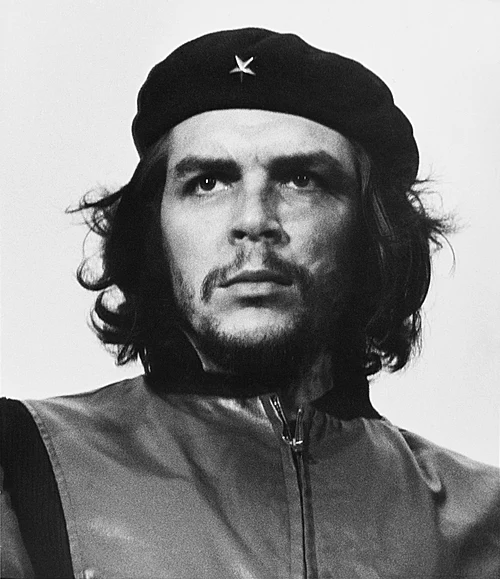
Ernesto "Che" Guevara (español: Ernesto "Che" Guevara, 14 de junio de 1928 - 9 de octubre de 1967) fue un revolucionario, médico, escritor, líder guerrillero, diplomático y teórico militar marxista nacido en Argentina. Como miembro central de la revolución cubana , no sólo fue el asistente más eficaz de Fidel Castro, sino también un pionero ideológico extremadamente influyente en el movimiento global de izquierda. Promovió activamente el guevarismo , el internacionalismo y la teoría del cambio social a través de la guerra de guerrillas.
Guevara nació en una familia de clase media en Rosario, Argentina, el 14 de junio de 1928. Fue arrestado y ejecutado en Bolivia el 9 de octubre de 1967, a la edad de 39 años. Después de su muerte, su retrato, "El Guerrillero Heroico", fotografiado por Alberto Korda, se convirtió en una de las imágenes más conocidas y reproducidas en el mundo, representando el espíritu de rebelión, idealismo y revolución.
_¿Quieres saber a qué líder histórico se parece más tu estilo de toma de decisiones? Pruebe la prueba de estilo de toma de decisiones del líder político para ver si tiene rasgos de liderazgo similares a los de Guevara. _
Vida temprana: de estudiante de medicina a viajero despierto
Guevara nació en una familia de ascendencia aristocrática pero cuya economía había decaído. Sufría de asma severa desde la infancia. Esta enfermedad le ha acompañado durante toda su vida, pero también ha atemperado su tenaz fuerza de voluntad. A Guevara le encantaba leer desde niño. Influenciado por su entorno familiar, estuvo expuesto a una gran cantidad de literatura y poesía de izquierda, incluidas las obras de Marx, Engels y Neruda.
En 1948, Guevara ingresó a la Universidad de Buenos Aires para estudiar medicina. Sin embargo, no fue el aula lo que cambió el rumbo de su vida, sino dos famosos viajes a América Latina. En 1950 recorrió solo el norte argentino en bicicleta; A finales de 1951, él y su amigo Alberto Granado iniciaron un largo viaje por Sudamérica en una motocicleta llamada "Hércules".
Durante este viaje, Guevara fue testigo de primera mano de la extrema pobreza y explotación que padecían las clases bajas de América Latina, especialmente los mineros del cobre, los agricultores y los leprosos. Comenzó a darse cuenta de que estos sufrimientos sociales profundamente arraigados no eran simplemente problemas médicos que pudieran resolverse, sino que eran causados por el imperialismo y los sistemas sociales injustos. Escribió en su diario: "Ya no soy la misma persona que cuando partí". Esta experiencia se recopiló más tarde en el "Diario de motocicleta" y se convirtió en un documento importante para comprender el origen de su ideología.
En 1953, Guevara recibió su doctorado en medicina, pero decidió dedicarse a una causa mayor de "curación social". Viajó a Guatemala para apoyar la reforma agraria del presidente Jacobo Arbenz. Cuando la CIA planeó un golpe de estado para derrocar al gobierno de Arbenz, Guevara fue testigo de la crueldad del cambio violento de régimen, lo que fortaleció por completo su creencia de que el imperialismo sólo podía ser derrocado mediante una revolución violenta .
La Revolución Cubana: de mensajera a comandante
En 1955, Guevara se exilió en la Ciudad de México y conoció a Fidel Castro y su hermano Raúl Castro. Los dos se llevaron bien y Guevara se unió inmediatamente al "Movimiento 26 de Julio" destinado a derrocar al dictador cubano Batista. Fue a partir de ese momento que sus compatriotas cubanos comenzaron a llamarlo "Che" (una interjección en la jerga argentina que significa "hola" o "amigo"), que eventualmente se convirtió en su nombre en clave mundialmente famoso.
En noviembre de 1956, Guevara, junto con Castro y otros 82 combatientes, desembarcaron en Cuba en el barco guerrillero "Granma". El levantamiento sufrió un golpe devastador al principio. Sólo 12 personas sobrevivieron y se retiraron a las Montañas Maestra. Durante la batalla, Guevara no sólo fue médico de la guerrilla, sino que también demostró gradualmente destacados talentos militares. Debido a su valentía, estricta disciplina y gran capacidad de aprendizaje, Castro hizo una excepción y lo ascendió a comandante de la primera columna .
Guevara elogió mucho la disciplina militar y la educación ideológica en la guerra de guerrillas. En diciembre de 1958, dirigió sus tropas en la famosa Batalla de Santa Clara , interceptando con éxito un tren blindado del gobierno. La victoria de esta batalla condujo directamente a la fuga de Batista a los Estados Unidos, marcando el éxito general de la Revolución Cubana. En enero de 1959, Guevara entró en La Habana con el ejército rebelde y se convirtió en una figura central del nuevo régimen cubano.
Idealismo en el centro del poder: experimentos económicos y juegos diplomáticos
Después de la victoria de la revolución, Castro concedió a Guevara el estatus de "ciudadano cubano por nacimiento" y lo nombró para una serie de altos cargos. Se desempeñó sucesivamente como gobernador de la prisión del Castillo de Cavagna, presidente del Banco Nacional y ministro de Industria.
En el terreno económico, Guevara intentó establecer un sistema económico planificado y completamente divorciado de la lógica del capitalismo. Despreciaba tanto el dinero que, cuando era presidente de un banco, se burlaba de él abreviando "Che" en los billetes. Abogó firmemente por los "incentivos espirituales" en lugar de los incentivos materiales, y alentó a la gente a realizar trabajos voluntarios para crear el llamado "Hombre Nuevo" . Creía que un verdadero socialista debe trabajar por ideales y no por ganancias. Sin embargo, este igualitarismo extremo y el rechazo de los talentos gerenciales profesionales, hasta cierto punto, llevaron al declive de la eficiencia económica de Cuba en ese momento.
Diplomáticamente, Guevara fue un líder acérrimo del Tercer Mundo . En nombre de Cuba, visitó China, la Unión Soviética, África y las Naciones Unidas, y pronunció una serie de apasionados discursos antiimperialistas. Su carisma conquistó al mundo cuando denunció el imperialismo estadounidense en la Asamblea General de las Naciones Unidas en 1964, vistiendo un uniforme verde oliva.
Sin embargo, con el paso del tiempo, Guevara tuvo diferencias ideológicas con la Unión Soviética, que seguía una política de "convivencia pacífica". Creía que la Unión Soviética estaba deslizándose hacia el "revisionismo" y criticaba abiertamente el utilitarismo de las principales potencias al ayudar a las revoluciones en el Tercer Mundo. Esta postura política hace que su posición en la política cubana sea delicada.
Al analizar la ideología de Guevara de igualdad extrema y revolución radical, nos ayuda a comprender la polarización del espectro político. Puede medir su inclinación sobre estos temas realizando la prueba de orientación de valores políticos de 8values y ver interpretaciones detalladas de todos los resultados ideológicos de 8values .
La teoría de la guerra de guerrillas y la exportación de "espacio vital"
Guevara no sólo fue un practicante, sino también un teórico. Su teoría militar central es el "focoismo" .
En su libro "Guerrilla Warfare", resumió tres principios básicos:
- Las Fuerzas Armadas del Pueblo pueden ganar la guerra contra el ejército regular.
- No es necesario esperar hasta que estén maduras todas las condiciones objetivas para que comience una revolución; las propias guerrillas pueden crear estas condiciones.
- En la atrasada América Latina, el campo era el centro de la lucha armada revolucionaria.
Guevara creía firmemente que el modelo cubano podía replicarse en todo el mundo. Propuso el famoso lema: "Crear dos, tres... muchos Vietnam". En 1965 renunció a su salario oficial de alto rango y a la ciudadanía en Cuba, dejando a Castro su famosa "carta de renuncia" y anunciando que iría a "otros lugares del mundo" para continuar la revolución.
Primero se coló en la República Democrática del Congo para apoyar a los rebeldes, pero debido al caos interno y la falta de conciencia de lucha entre los rebeldes locales, este intento terminó en un completo fracaso. Escribió con tristeza en su diario del Congo: "Ésta es una historia de fracasos". Luego regresó a Cuba para recibir entrenamiento secreto y en 1966 se disfrazó y se coló en Bolivia, tratando de establecer la chispa de la revolución latinoamericana en los Andes.
La muerte de un héroe y el final en Bolivia
A finales de 1966, Guevara estableció una zona guerrillera en el sureste de Bolivia. Sin embargo, la operación estuvo en una situación desesperada desde el principio. El Partido Comunista Boliviano se negó a darle todo su apoyo y los agricultores locales desconfiaban de este grupo de "revolucionarios extranjeros" e incluso tomaron la iniciativa de denunciarlos ante las fuerzas gubernamentales.
Más importante aún, la CIA envió agentes de élite para ayudar a las fuerzas del gobierno boliviano y utilizó tecnología de reconocimiento avanzada para atacar a las guerrillas. El 8 de octubre de 1967, Guevara fue herido en una pierna durante una batalla en el valle de Yuro y fue capturado.
En la tarde del 9 de octubre de 1967, Guevara fue ejecutado formalmente en Higuera, un pequeño pueblo de montaña en Bolivia. Frente a los vacilantes soldados de ejecución, Guevara dejó sus últimas palabras: "Sé que estás aquí para matarme. Dispara, cobarde, sólo estás matando a una persona".
Para demostrar que Guevara estaba muerto y para escandalizar a los revolucionarios, su cuerpo fue exhibido en una sencilla morgue en Vallegrande. Debido a que tenía los ojos abiertos y su rostro tranquilo, la gente del lugar incluso lo comparó con el sufriente Jesús y lo llamó "San Ernesto de Higra". Le cortaron las manos para poder tomar huellas dactilares y confirmar su identidad, y su cuerpo fue enterrado en secreto cerca de la pista del aeropuerto hasta que fue exhumado y devuelto a Cuba para su entierro en 1997.
Símbolos culturales y valoraciones posteriores del "guevarismo"
La vida del Che Guevara estuvo llena de extremos, lo que también llevó a evaluaciones polarizadas de él en generaciones posteriores.
Héroes revolucionarios e idealismo encarnado
Para los seguidores de izquierda y para la mayoría de los jóvenes, Guevara es un símbolo de un idealismo que no se deja tentar por el poder y no teme al sacrificio. Su espíritu de renunciar al alto salario y la comodidad de un ministro y elegir morir en un bosque húmedo lo convirtió en un "santo secular".
- Tótem de resistencia: su rostro aparece en camisetas, carteles e incluso en billetes, simbolizando la insatisfacción con el sistema y el deseo de justicia.
- Pionero médico: Su concepto de "atención médica masiva" tuvo un profundo impacto en el sistema de salud pública de Cuba y otros países en desarrollo.
"Carniceros rojos" y extremistas
Para sus oponentes y los exiliados cubanos, Guevara era un verdugo despiadado.
- Juez de La Cabaña: Durante los primeros años de la Revolución Cubana, presidió los juicios y ejecuciones de cientos de ex miembros del régimen de Batista en el Castillo de La Cabaña. Muchos lo acusaron de una ejecución sumaria sin el debido proceso legal.
- Destructor económico: Se cree que sus políticas económicas de extrema izquierda en Cuba han contribuido a la escasez crónica del país.
- Voluntarismo: Su "doctrina de enfoque" llevó más tarde a muchos jóvenes de izquierda en América Latina a ir ciegamente a las montañas para luchar contra las guerrillas, lo que resultó en derramamiento de sangre y sacrificios innecesarios.
Impacto tecnológico y táctico
Aunque Guevara no era un soldado profesional, sus tácticas de guerrilla tuvieron un profundo impacto en la segunda mitad del siglo XX:
- Guerra psicológica y propaganda: Fundó la emisora de radio "Voz del Levantamiento" en la Sierra Maestra, que es considerada un ejemplo exitoso de guerra de información moderna y propaganda política en la guerra irregular.
- Atención médica de campaña: el modelo de hospital de campaña que estableció en condiciones minimalistas influyó en la posterior Cruz Roja Internacional y otras organizaciones de ayuda humanitaria de guerra.
- Teoría de la guerrilla urbana: aunque defendió el centralismo rural, su sacrificio impulsó a las guerrillas posteriores a recurrir a la lucha urbana encubierta.
Anécdota: Ternura y autodisciplina de un tipo duro
Guevara mostró una extrema autodisciplina y una cualidad casi ascética en su vida privada. En repetidas ocasiones se ha negado a recibir un trato especial por parte del Estado y ha exigido que su esposa e hijos reciban los mismos cupones de racionamiento que los ciudadanos corrientes.
Además de la política, Guevara también fue un talentoso fotógrafo y ajedrecista. Mientras estuvo en Cuba, participó en varios torneos de ajedrez y jugó contra campeones mundiales. Además, amaba los cigarros. En muchas fotografías, los cigarros y los uniformes militares verde oliva formaban su imagen icónica. Una vez dijo con humor: "Fumar cigarros es el único consuelo para los soldados revolucionarios en marcha".
En 1939, el Che Guevara aún no había nacido, pero a finales del siglo XX fue nombrado una de las 100 personas más influyentes del siglo XX por la revista Time. Aunque dejó muchas lecciones de fracaso militar y económico, como símbolo cultural, todavía ocupa una posición importante en los corazones de cada generación de jóvenes que buscan el cambio.
Como dijo Fidel Castro en su panegírico: "Si buscamos un modelo, un modelo que no pertenezca a nuestro tiempo sino al futuro, entonces este modelo es Chi". Pero para sus víctimas, sigue siendo el fanático que trajo sangre y destruyó la democracia y el Estado de derecho.
Lectura ampliada : si desea explorar sus propias tendencias en la toma de decisiones políticas, puede ir al Centro de pruebas políticas y experimentar la Prueba de estilo de toma de decisiones de líderes políticos . A través de 48 preguntas profesionales, analizará sus características de liderazgo desde seis dimensiones, como el estilo de toma de decisiones, el concepto de poder y la filosofía económica, para ver si se parece más al Che Guevara, Castro, Roosevelt u otros líderes históricos.