Francisco Franco: Il governo del dittatore spagnolo, trasformazione e valutazione storica
Essendo uno dei dittatori europei più longevi del ventesimo secolo, la vita di Francisco Franco, le ideologie conservatrici (come il falangismo e il tradizionalismo) e il suo profondo impatto sulla modernizzazione spagnola e sulla struttura sociale sono la chiave per comprendere il panorama politico europeo contemporaneo. Comprendendo appieno queste tendenze politiche, puoi anche sostenere un test approfondito sulla tendenza ai valori politici di 8values per confrontare le caratteristiche di diverse ideologie.
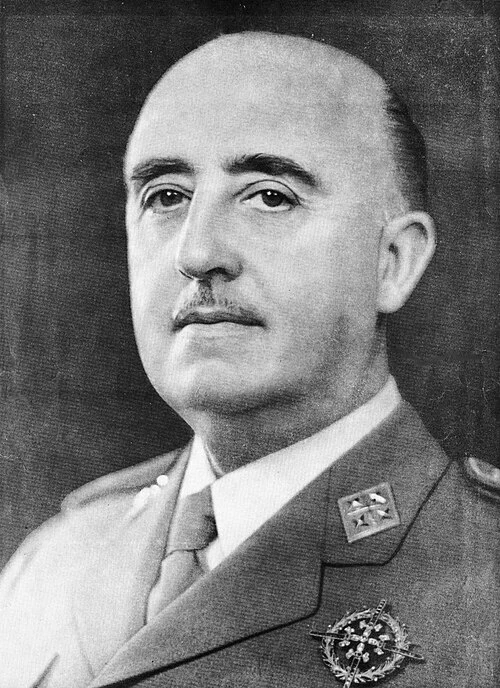
Francisco Franco (spagnolo: Francisco Franco, 4 dicembre 1892 - 20 novembre 1975) è stato un reggente spagnolo , capo del governo, comandante in capo dell'esercito spagnolo e leader della Falange (FET y de las JONS). Lanciò una ribellione armata contro il governo repubblicano nel 1936 e alla fine vinse la guerra civile spagnola , instaurando un regime autoritario che durò per quasi quattro decenni. Si chiamava "Caudillo" (Caudillo, che significa capo o comandante). Durante il suo governo, la Spagna conobbe una trasformazione economica dall'estrema povertà del dopoguerra al "miracolo spagnolo", accompagnato anche da una grave oppressione politica.
Franco è nato il 4 dicembre 1892 a El Ferrol, Galizia, Spagna. Alla fine morì di malattia a Madrid il 20 novembre 1975, ponendo fine al suo lungo e controverso regno.
_Vuoi sapere a quale leader storico il tuo stile decisionale è più simile? Prova il test sullo stile decisionale del leader politico per vedere se hai tratti di leadership simili a quelli di Franco. _
Gli inizi della carriera militare e la fama di Francisco Franco
Franco nacque in una famiglia di marinai, ma poiché la marina fu ridotta di dimensioni a causa della sconfitta della Spagna nella guerra ispano-americana, alla fine entrò nell'Accademia di fanteria di Toledo. Dopo la laurea nel 1910, si offrì volontario per prestare servizio nel Marocco spagnolo. Durante la guerra del Marocco, Franco era noto per il suo coraggio in combattimento e per la rigorosa gestione militare, e fu promosso molte volte in un breve periodo di tempo.
Nel 1926, all'età di 33 anni, Franco fu promosso generale di brigata , diventando all'epoca il generale più giovane d'Europa. La sua carriera militare fu profondamente influenzata dall'esperienza nell'"Afrika Korps", formando un modo di pensare che enfatizzava l'ordine, l'autorità e i duri attacchi ai dissidenti. Questo tipo di pensiero divenne in seguito la logica centrale del suo governo del paese. Nel 1928 fu nominato direttore dell'Accademia Generale Militare di Saragozza, dove lavorò per formare una nuova generazione di ufficiali fedeli ai valori tradizionali.
Tuttavia, l'istituzione della Seconda Repubblica spagnola nel 1931 interruppe i suoi progetti di carriera. Il governo repubblicano perseguì riforme radicali di secolarizzazione e politiche di riduzione della spesa militare, che disturbarono profondamente Franco, che era profondamente radicato nelle idee conservatrici cattoliche . Sebbene nei primi giorni mantenne una lealtà superficiale al governo repubblicano, con l'intensificarsi della polarizzazione politica interna e dei disordini sociali, si rivolse gradualmente alle forze ribelli.
La guerra civile spagnola e la conquista del potere
Nel febbraio 1936, il Fronte popolare di sinistra vinse le elezioni e la società spagnola cadde in un violento tumulto. Nel luglio dello stesso anno, le truppe spagnole di stanza in Marocco lanciarono una ribellione. Dopo aver ricevuto il sostegno della Germania nazista e dell'Italia fascista, Franco trasportò in aereo la Legione africana in Spagna. Scoppiò la guerra civile spagnola (Guerra Civil Española).
Durante la guerra civile, Franco dimostrò eccezionali capacità politiche. Ha consolidato le forze antirepubblicane precedentemente disperse, inclusi i falangisti di estrema destra, i carlisti filo-monarchici e la Chiesa cattolica tradizionale. Nell'ottobre 1936 fu eletto "Comandante in Capo dell'Esercito Nazionale" e "Capo dello Stato".
La guerra civile non fu solo un conflitto di classe e ideologico all’interno della Spagna, ma divenne anche un campo di addestramento per le forze politiche europee alla vigilia della seconda guerra mondiale. Franco faceva affidamento su attrezzature pesanti e truppe volontarie (come la Legione Condor) provenienti dalla Germania e dall'Italia, e adottò tattiche di logoramento passo dopo passo. Alla fine conquistò Madrid il 1 aprile 1939 e ottenne una vittoria completa nella guerra civile. La guerra provocò la morte di circa 500.000 persone e l’esilio di centinaia di migliaia. La sua crudeltà gettò una lunga ombra sul regime franchista.
Il sistema franchista: totalitarismo, autoritarismo e tradizionalismo cattolico
Il regime instaurato da Franco (Franquismo) era una miscela complessa. Sebbene prendesse in prestito forme dal fascismo nelle sue fasi iniziali, il suo nucleo era più vicino al Nacionalcatolicismo .
Franco abolì la democrazia parlamentare e impose il divieto dei partiti , consentendo solo alla Falange di esistere come partito politico legale. Ha utilizzato i mezzi dello stato di polizia per effettuare una lunga epurazione politica dei perdenti della guerra civile. Migliaia di sostenitori repubblicani furono imprigionati nei campi di concentramento o giustiziati. In campo culturale, promosse una rigida censura ideologica, enfatizzò l'identità monoetnica della Spagna e soppresse la lingua e l'autonomia della Catalogna e della regione basca.
Analizzare l'ideologia di Franco, che combinava dittatura militare e tradizionalismo religioso, ci aiuta a comprendere la diversità dello spettro politico. Puoi misurare la tua inclinazione su tali questioni sostenendo il test di orientamento ai valori politici di 8values e visualizzare interpretazioni dettagliate di tutti i risultati ideologici di 8values .
Come sopravvivere nella Seconda Guerra Mondiale: neutralità e non belligeranza
Dopo lo scoppio della seconda guerra mondiale, Hitler cercò più volte di convincere Franco a schierarsi con l’Asse. Nel 1940 Hitler e Franco si incontrarono a Hendaye. Tuttavia, Franco fece richieste estremamente elevate di compensazione territoriale (comprese le colonie nordafricane), e poiché la Spagna era stata devastata dopo la guerra, sapeva di non potersi permettere un'altra guerra, quindi respinse educatamente la richiesta di intervento militare di Hitler.
Sebbene Franco abbia inviato la "Divisione Blu" (División Azul) per assistere l'esercito tedesco nell'attaccare l'Unione Sovietica sul fronte orientale come rappresaglia per il sostegno dell'Unione Sovietica ai repubblicani nella guerra civile, la Spagna ha sempre mantenuto uno status "neutrale" o "non belligerante" a livello ufficiale. Questa politica pragmatica e realista ha permesso alla Spagna di evitare le fiamme della Seconda Guerra Mondiale e le ha fornito l’opportunità di sopravvivere nella Guerra Fredda in futuro.
Dall'isolamento al “miracolo spagnolo”: la transizione economica
Dopo la seconda guerra mondiale, il regime franchista fu politicamente isolato dalle Nazioni Unite a causa delle sue sfumature fasciste. La Spagna cadde in un lungo periodo di penuria alimentare e inflazione e attuò una politica di porte chiuse e autarchia che portò l'economia del paese sull'orlo del collasso.
Alla fine degli anni '50, i cambiamenti nella situazione della Guerra Fredda portarono gli Stati Uniti a esaminare il valore strategico della Spagna. Franco approfittò della sua ferma posizione anticomunista per firmare un accordo di base militare con gli Stati Uniti. Nel 1959, su consiglio dei "tecnocrati" (soprattutto membri dell'Opus Dei), Franco approvò il Piano di stabilizzazione (Plan de Estabilización).
Questo piano abbandonò il fallito modello di autarchia e abbracciò un’economia di libero mercato . Il conseguente "miracolo spagnolo" ha reso il paese una delle economie in più rapida crescita al mondo negli anni '60. La crescita esplosiva del turismo, l’industrializzazione su larga scala e l’ascesa della classe media hanno completamente cambiato il panorama sociale della Spagna. Sebbene la politica rimanga repressiva, l’aumento del tenore di vita ha indebolito l’opposizione.
Trasferimento del potere e restaurazione della monarchia
Franco era ben consapevole del problema della stabilità del suo regime cento anni dopo. Nel 1947 dichiarò la Spagna una monarchia, ma il trono era temporaneamente vacante e lui stesso prestò servizio come "reggente". Nel 1969 designò ufficialmente Juan Carlos I, erede della famiglia reale in esilio, come suo successore e lo addestrò personalmente, sperando che continuasse il sistema franchista.
Nei suoi ultimi anni, la salute di Franco peggiorò. Nel 1973 rinunciò alla carica di capo del governo, conservando solo i titoli di capo di stato e comandante in capo. Il 20 novembre 1975 morì il dittatore che governò la Spagna per 36 anni. La storia però non è andata per il verso giusto. Juan Carlos I promosse rapidamente la transizione democratica (Transición Española) dopo essere salito al trono, e la Spagna passò senza intoppi da una dittatura a una monarchia parlamentare e alla democrazia in pochi anni.
Le polemiche, gli aneddoti e l'eredità di Franco
Aneddoti e stile personale
Franco era estremamente rigido e sobrio nella sua vita personale. È un devoto cattolico con uno stile di vita rigoroso e quasi senza scandali personali. Amava dipingere e cacciare, spesso cacciando nella proprietà nei fine settimana.
Un punto di contesa ben pubblicizzato è la Valle de los Caídos (Valle de los Caídos), situata fuori Madrid. Si tratta di un enorme edificio commemorativo ordinato da Franco per seppellire i caduti di entrambe le parti nella guerra civile. Tuttavia, l'edificio fu costruito dai lavoratori dei prigionieri politici e lo stesso Franco è sepolto qui. Nel 2019, il governo spagnolo ha trasferito i resti di Franco dalla Valle dei Caduti a un cimitero generale nel tentativo di revocarne l'autorizzazione, innescando un feroce dibattito interno sulla memoria storica.
Valutazione storica e impatto
La valutazione storica di Franco è fortemente polarizzante in Spagna.
- Difensore dell’ordine: i sostenitori gli attribuiscono il merito di aver posto fine al caos della guerra civile, di aver respinto l’infiltrazione comunista e di aver gettato le basi materiali della Spagna moderna attraverso riforme economiche.
- Dittatore brutale: i critici sottolineano i sanguinosi massacri, la soppressione delle lingue minoritarie e le violazioni dei diritti umani fondamentali avvenuti nei primi anni del suo governo. È considerato l'ultimo dittatore tradizionale di destra d'Europa.
- Trasformazione unica: l’eredità politica più singolare di Franco è quella di aver creato “passivamente” una classe media stabile, che ha permesso alla Spagna di raggiungere la democratizzazione a costi sociali molto bassi nell’era post-franchista. Questo modello è stato successivamente copiato da molti paesi in via di sviluppo.
La vita di Francisco Franco incarna la combinazione di conservatorismo, potere militare e politiche realistiche in condizioni storiche specifiche. Anche se il suo governo porta con sé una profonda impronta totalitaria, completò lo straordinario salto della Spagna da una società agricola tradizionale a una moderna società industriale.
Lettura estesa : se desideri esplorare le tue tendenze decisionali politiche, puoi andare al Political Test Center e sperimentare il test sullo stile decisionale dei leader politici . Attraverso 48 domande professionali, analizzerai le tue caratteristiche di leadership da sei dimensioni come stile decisionale, concetto di potere e filosofia economica per vedere se sei più simile a Franco, De Gaulle, Roosevelt o altri leader storici.