Hugo Chávez: Anführer und Kontroverse der Bolivarischen Revolution in Venezuela
Als einflussreichste politische Persönlichkeit in der modernen Geschichte Venezuelas haben Hugo Chávez‘ „sozialistische“ Reformen des 21. Jahrhunderts nicht nur die politische Landschaft Südamerikas tiefgreifend verändert, sondern auch hitzige Diskussionen über Populismus, autoritäre Herrschaft und Ressourcennationalismus auf der ganzen Welt ausgelöst. Wenn Sie ein tiefgreifendes Verständnis von Chávez‘ politischem Weg haben, können Sie auch einen professionellen 8-Werte-Orientierungstest für politische Werte absolvieren, um die Anwendung und Kollision verschiedener Ideologien in der heutigen Gesellschaft zu untersuchen.
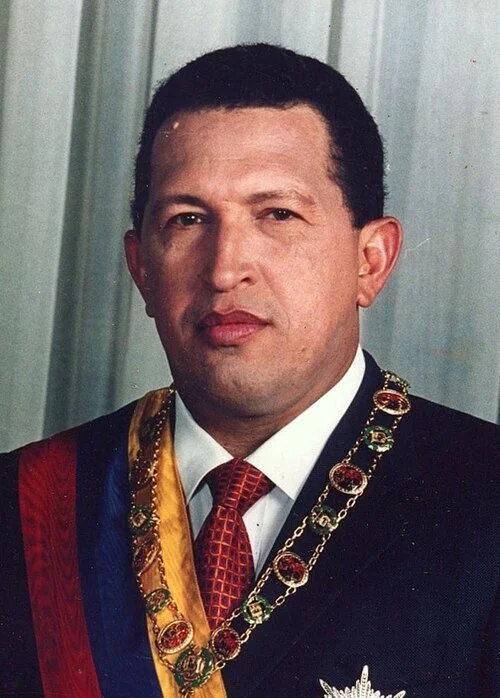
Hugo Chávez (spanisch: Hugo Rafael Chávez Frías, 28. Juli 1954 – 5. März 2013) war der 53. Präsident Venezuelas und ein politischer Führer mit starkem persönlichem Charisma. Er war von 1999 bis zu seinem Tod an der Macht. Mit der Gründung der Bolivarischen Revolution versuchte er, eine Reihe sozialer Reformen in Venezuela umzusetzen, die auf die Beseitigung der Armut, die Verteilung des Reichtums und den Widerstand gegen das, was er als Neoliberalismus und Imperialismus ansah, abzielten. Chávez setzte sich aktiv für die lateinamerikanische Integration ein und war einer der wichtigen Führer des antiamerikanischen Lagers. Er nutzte die reichen Ölressourcen Venezuelas für diplomatische Offensiven und hinterließ Spuren auf der internationalen Bühne.
Chavez wurde am 28. Juli 1954 in einer Lehrerfamilie im Bundesstaat Barinas, Venezuela, geboren. Er starb am 5. März 2013 in Caracas an Krebs und beendete damit seine 14-jährige Präsidentschaftskarriere.
_Möchten Sie wissen, welchem historischen Führer Ihr Entscheidungsstil am ähnlichsten ist? Probieren Sie den Entscheidungsfindungsstiltest für politische Führungskräfte aus, um herauszufinden, ob Sie Chavez-ähnliche Merkmale eines zivilen Führers haben. _
Zivile Herkunft und militärische Laufbahnausbildung
Chavez‘ frühes Leben unterschied sich nicht von dem der meisten gewöhnlichen venezolanischen Familien. Er wuchs in einer kleinen Stadt in Savaneta auf. Seine Familie war seit seiner Kindheit arm und er wurde von seiner Großmutter großgezogen. Diese Erfahrung entwickelte sein natürliches Mitgefühl für die Unterprivilegierten. Chavez hatte als Junge großes künstlerisches Talent. Er liebte Malerei und Baseball und träumte einst davon, ein professioneller Baseballspieler zu werden.
1971, im Alter von 17 Jahren, wurde Chávez in die venezolanische Akademie der Militärwissenschaften aufgenommen. Während seines Studiums an der Militärakademie erhielt er nicht nur eine strenge militärische Ausbildung, sondern begann auch, sich intensiv mit politischer Theorie auseinanderzusetzen. Er wurde stark von den Emanzipationsideen von Simón Bolívar , der Landreformtheorie von Ezequiel Zamora und dem sozialen Engagement von Leon Ferres beeinflusst und bildete nach und nach ein frühes politisches Bewusstsein. Nach seinem Abschluss im Jahr 1975 wurde er Berufssoldat und erwarb einen Master-Abschluss in Politik- und Militärwissenschaften.
Während seines Militärdienstes war Chávez zutiefst unzufrieden mit der damaligen Korruption der venezolanischen Regierung und der immer größer werdenden Kluft zwischen Arm und Reich. 1982 gründete er heimlich die „Bolivarische Revolutionäre Bewegung 200“ (MBR-200), die sich dem Sturz des von der Elite der „Vierten Republik“ kontrollierten politischen Systems verschrieben hatte. Die Gründung dieser Geheimorganisation ebnete ihm den Weg für einen späteren bewaffneten Aufstand.
Fehlgeschlagener Putsch und Erreichen des politischen Höhepunkts
Am 4. Februar 1992 startete Chávez einen Militärputsch mit dem Ziel, den damaligen Präsidenten Perez zu stürzen. Obwohl der Aufstand in Caracas aufgrund von Koordinationsfehlern einen Rückschlag erlitt, hielt Chávez im Fernsehen eine berühmte Kapitulationsrede an die Nation. Seine Worte „Por ahora“ (bisher) – die darauf hindeuteten, dass es sich eher um einen vorübergehenden Rückzug als um eine völlige Niederlage handelte – machten ihn sofort zu einem Helden unter den Armen Venezuelas.
Nachdem er zwei Jahre im Gefängnis verbracht hatte, wurde Chavez 1994 begnadigt und aus dem Gefängnis entlassen. Anschließend organisierte er MBR-200 in eine politische Partei, die Bewegung für die Fünfte Republik (MVR), um und versuchte, durch demokratische Wahlen an die Macht zu gelangen. Bei den Präsidentschaftswahlen 1998 stützte er sich auf den lauten Slogan „Bruch der alten Ordnung“ und „Beseitigung der Armut“ und gewann 56 % der Stimmen, womit offiziell seine Chávez-Ära begann.
Nach seiner Machtübernahme drängte Chávez schnell auf eine Verfassungsreform. Im Jahr 1999 verabschiedete Venezuela durch ein Referendum eine neue Verfassung und der Name des Landes wurde in Bolivarische Republik Venezuela geändert. Die neue Verfassung stärkte die Exekutivbefugnisse, verlängerte die Amtszeit des Präsidenten und beseitigte rechtliche Hindernisse für nachfolgende groß angelegte Sozialreformen.
„Sozialismus des 21. Jahrhunderts“ und Öldividenden
Der Grundpfeiler des Chávez-Regimes ist der Sozialismus des 21. Jahrhunderts . Er glaubte, dass der traditionelle Sozialismus im sowjetischen Stil überholt sei und dass der Kapitalismus zu Ungerechtigkeit führe. Sein Ideal war es, ein neues Modell zu etablieren, das auf demokratischer Beteiligung, sozialer Wohlfahrt und öffentlichem Eigentum an den Produktionsmitteln basiert.
Die Chávez-Regierung profitierte vom Anstieg der internationalen Ölpreise zu Beginn des 21. Jahrhunderts und erzielte enorme Deviseneinnahmen. Er nutzte diese „Petrodollars“, um groß angelegte Projekte zur Sicherung des Lebensunterhalts der Menschen (Misiones) umzusetzen, die mehrere Bereiche abdeckten:
- Bildung und Analphabetismus: Durch den Start des „Robinson-Projekts“ und die Entsendung von Freiwilligen tief in abgelegene Gebiete hat Venezuela den Analphabetismus in kurzer Zeit praktisch beseitigt.
- Medizinische Versorgung: Durch den „Medical Access to Rio“-Plan wurde eine große Zahl kubanischer Ärzte herangezogen, um in Slums Gemeinschaftskliniken einzurichten, um den Menschen am unteren Ende kostenlose medizinische Versorgung zu bieten.
- Lebensmittelsubventionen: Einrichtung eines staatlichen Supermarktsystems namens Mercal, um den Armen Grundnahrungsmittel des täglichen Bedarfs zu Preisen zu verkaufen, die weit unter den Marktpreisen liegen.
In Bezug auf das Wirtschaftssystem setzte Chávez eine radikale Verstaatlichungspolitik um. Nach und nach stellte er die Elektrizitäts-, Telekommunikations-, Stahl- und vor allem die Ölindustrie (PDVSA) unter strenge staatliche Kontrolle. Er ist fest davon überzeugt, dass die Ressourcen des Landes von allen Menschen geteilt und nicht von multinationalen Konzernen kontrolliert werden sollten.
Bei der Analyse von Chávez‘ Ideologie, Populismus mit Ressourcennationalismus zu verbinden, können wir einzigartige Präferenzen entlang der politischen Achse beobachten. Sie können Ihre Ansichten zur Vermögensumverteilung und zur nationalen Souveränität messen, indem Sie den 8-Werte-Test für politische Werte absolvieren und einen detaillierten Vergleich mit allen 8-Werte-Ideologieergebnissen durchführen.
Diplomatische Offensive: Antiamerikanische Avantgarde und regionale Integration
Auf der internationalen Bühne ist Chávez für seine entschiedene antiamerikanische Haltung und sein Streben nach einer multipolaren Welt bekannt. Er beschuldigte die Vereinigten Staaten offen, der „Teufel“ zu sein, und hielt vor der Generalversammlung der Vereinten Nationen seine berühmte „Schwefelgeruch“-Rede. Chávez setzt sich dafür ein, die regionale Hegemonie der USA zu brechen und nutzt aktiv die Öldiplomatie, um Verbündete für sich zu gewinnen.
Er gründete die Bolivarische Allianz Amerikas (ALBA) mit dem Ziel, einen regionalen Kooperationsmechanismus zu schaffen, der auf gegenseitiger Hilfe statt auf Freihandel mit Kuba, Bolivien, Nicaragua und anderen Ländern basiert. Darüber hinaus förderte er die Gründung der Union Südamerikanischer Nationen (UNASUR) und der Gemeinschaft Lateinamerikanischer und Karibischer Staaten (CELAC), um eine lateinamerikanische Integration ohne Beteiligung der Vereinigten Staaten zu erreichen.
Chavez entwickelte eine enge Beziehung zum kubanischen Führer Fidel Castro, der sowohl Mentor als auch Freund war. Venezuela versorgte Kuba im Austausch für medizinische und militärische Unterstützung mit billigem Öl. Dieses „Öl für Ärzte“-Modell wurde zu einem charakteristischen Produkt von Chávez‘ Diplomatie.
Kontroverse: Machtkonzentration und wirtschaftliche Instabilität
Obwohl Chávez bei den unteren Schichten ein hohes Ansehen genießt, haben sein Herrschaftsstil und seine Wirtschaftspolitik im In- und Ausland für große Kontroversen gesorgt.
Autoritarismus und Medienunterdrückung
Die Opposition wirft Chávez vor, die demokratische Dezentralisierung zu untergraben und die Justiz, die Gesetzgebung und die Wahlorgane schrittweise unter die Kontrolle der Exekutive zu bringen. Er nutzte häufig Referenden , um die Beschränkungen der Verfassung zu ändern, bis er die Amtszeitbeschränkungen des Präsidenten aufhob und ihm so eine unbegrenzte Wiederwahl ermöglichte. Im Hinblick auf die Medienkontrolle wurde die Schließung des historischen Radio- und Fernsehsenders Caracas (RCTV) im Jahr 2007 als typisches Beispiel für den Angriff auf die Meinungsfreiheit angesehen. Die Chávez-Regierung lenkte die öffentliche Meinung im Inland genau, indem sie ein riesiges offizielles Mediennetzwerk aufbaute.
Wirtschaftliche Ungleichgewichte und Inflation
Die Schwäche des Chávez-Modells war seine extreme Abhängigkeit von Ölexporten. In Venezuela kam es aufgrund fehlender Investitionen in Nichtölindustrien und übermäßiger Devisen- und Preiskontrollen, die die Anreize des Privatsektors untergraben, zu schwerwiegenden Materialengpässen und einer stagnierenden Produktion.
- Auswirkung der niederländischen Krankheit: Die übermäßige Abhängigkeit von Rohstoffexporten hat zu einer Überbewertung der lokalen Währung geführt, das verarbeitende Gewerbe und die Landwirtschaft wurden schwer getroffen und die meisten Konsumgüter sind auf Importe angewiesen.
- Hohes Defizit: Um die enormen Sozialausgaben aufrechtzuerhalten, muss die Regierung Schulden aufnehmen oder Geld drucken, was den Grundstein für eine Hyperinflation legt.
- Korruptionsproblem: Die während des Verstaatlichungsprozesses entstandene bürokratische Klasse (bekannt als „bolivarische Bourgeoisie“) nutzt ihre Macht, um Rente zu erzielen. Das Korruptionsphänomen ist nicht nur nicht zurückgegangen, es ist auch noch versteckter geworden.
Chávez‘ persönlicher Charme und politische Anekdoten
Chavez wurde als Anführer mit herausragenden rednerischen Fähigkeiten anerkannt. Die stundenlange TV-Talkshow „Aló Presidente“ (Aló Presidente), die er moderiert, ist für ihn nicht nur eine Plattform, um Politik zu verkünden, sondern auch eine persönliche Bühne, auf der er sein menschenfreundliches Image zeigt, singt, Witze erzählt und sogar seine Untergebenen öffentlich kritisiert. Dieses Modell der direkten Interaktion gibt vielen Venezolanern das Gefühl, dass der Präsident direkt neben ihnen steht.
In seinem Privatleben ist Chavez für seine hohe Energie bekannt. Er gibt an, nur wenige Stunden am Tag zu schlafen und ist kaffeesüchtig. Er nannte sich einst einen „zivilen Präsidenten“ und ging oft ohne Leibwächter tief in die Slums. Auch wenn seine Äußerungen manchmal vulgär erscheinen (z. B. wenn er sich im Fernsehen offen über ausländische Staats- und Regierungschefs lustig macht), glauben seine Unterstützer, dass er dadurch „authentisch“ ist und „den Mächtigen trotzt“.
Im Jahr 2011 wurde bei Chavez Beckenkrebs diagnostiziert. In den nächsten zwei Jahren reiste er mehrmals zur Behandlung nach Kuba. Obwohl er krank war, bestand er dennoch auf der Teilnahme an der Parlamentswahl 2012 und wurde erfolgreich wiedergewählt. Aufgrund seines sich verschlechternden Zustands konnte er jedoch nicht an der Einweihungsfeier im Januar 2013 teilnehmen.
Tod und historische Bewertung: Das Erbe des Chavismus
Am 5. März 2013 gab der damalige Vizepräsident Maduro Chávez‘ Tod bekannt. In Venezuela fand ein siebentägiges Staatsbegräbnis statt, bei dem Millionen Menschen auf die Straße gingen, um in ihren Herzen um das „ewige Staatsoberhaupt“ zu trauern.
Der von Chávez hinterlassene Chavismo hat auch nach seinem Tod tiefgreifende Auswirkungen auf Venezuela:
- Sozialer Aufbruch: Chávez hat die politische Teilhabe armer Menschen erheblich gestärkt und ihnen klar gemacht, dass sie das Recht haben, ihr Schicksal durch Wahlen zu ändern.
- Kontroverse über die Verbesserung der Armut: Statistiken zeigen, dass die Armutsquote und der Gini-Koeffizient Venezuelas in den ersten zehn Jahren seiner Regierung tatsächlich zurückgegangen sind. Doch diese Gewinne gingen unter Maduro aufgrund des späten wirtschaftlichen Zusammenbruchs so gut wie verloren.
- Regionale Führung: Chávez stellte die Würde Lateinamerikas wieder her und wagte es, den Konsens in Washington in Frage zu stellen. Dieser Geist der „Süd-Süd-Kooperation“ ist noch immer die Grundlage der lateinamerikanischen linken Politik.
- Tragisches wirtschaftliches Erbe: Kritiker glauben, Chávez habe die Produktionskapazität Venezuelas zerstört und Schulden und eine gescheiterte Bürokratie hinterlassen, die später zur schlimmsten humanitären Krise Venezuelas in der Geschichte geführt habe.
Chávez ist eine komplexe historische Figur. In den Augen einiger ist er ein Nationalheld , der es wagt, den Imperialismus herauszufordern und sich um die Armen kümmert; In den Augen anderer ist er ein populistischer Diktator, der seinen Ölreichtum nutzt, um die Herzen der Menschen zu kaufen und das demokratische System zu untergraben. Unabhängig von der Einschätzung ist Chávez zu einem politischen Symbol geworden, das im modernen Lateinamerika nicht ignoriert werden kann.
Weiterführende Lektüre : Wenn Sie Ihre eigenen politischen Entscheidungstendenzen erforschen möchten, können Sie gerne zum Political Test Center gehen und den Entscheidungsstiltest für politische Führungskräfte absolvieren. Anhand von 48 professionellen Fragen analysieren Sie Ihre Führungseigenschaften anhand von sechs Dimensionen, darunter Entscheidungsstil, Machtauffassung und Wirtschaftsphilosophie, um herauszufinden, ob Sie Chavez, Castro, Clinton oder Merkel am ähnlichsten sind.