Ho Chi Minh: la vita rivoluzionaria, i pensieri e l'eredità storica del padre dell'indipendenza del Vietnam
Fondatore della Repubblica Democratica del Vietnam e figura iconica del movimento anticoloniale globale del XX secolo, la vita di Ho Chi Minh ha attraversato il processo centrale della liberazione nazionale del Vietnam e della costruzione socialista. Combinò il marxismo-leninismo con il nazionalismo locale vietnamita, cambiando profondamente il panorama politico del sud-est asiatico. Avendo una comprensione approfondita della sua storia politica, puoi anche sostenere un test professionale di orientamento ai valori politici di 8values per esplorare la collisione e l'integrazione di diverse ideologie nei grandi cambiamenti della storia.
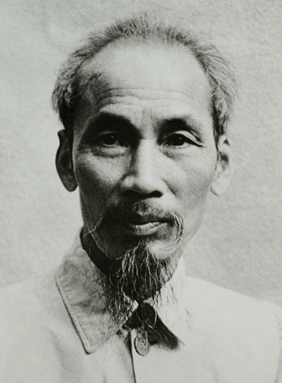
Ho Chi Minh (vietnamita: Hồ Chí Minh, 19 maggio 1890 - 2 settembre 1969) è stato un famoso rivoluzionario e politico comunista vietnamita, fondatore del Partito laburista del Vietnam (ora Partito comunista del Vietnam) e primo presidente e primo ministro della Repubblica Democratica del Vietnam (Vietnam del Nord). Dedicò la sua vita a rovesciare il dominio coloniale francese, a resistere all'aggressione giapponese e a lottare per la riunificazione nazionale durante la guerra del Vietnam. Ho Chi Minh non era solo un difensore del nazionalismo , ma anche un convinto marxista-leninista . Godeva di grande prestigio nel movimento comunista internazionale ed era affettuosamente chiamato "zio Ho" (Bác Hồ) dal popolo vietnamita.
Il 19 maggio 1890, Ho Chi Minh nacque in una famiglia intellettuale nella provincia di Nghe An, in Vietnam. Il 2 settembre 1969, quando la guerra del Vietnam contro gli Stati Uniti entrò in una fase critica, morì di infarto ad Hanoi e non poté assistere alla riunificazione di tutto il Vietnam nel 1975.
_Vuoi sapere a quale leader storico il tuo stile decisionale è più simile? Prova il test sullo stile decisionale del leader politico per vedere se possiedi le qualità di leadership in stile Ho Chi Minh: una leadership morbida ma forte e indomabile. _
Il vagabondaggio giovanile e la formazione di pensieri rivoluzionari
Il nome originale di Ho Chi Minh era Nguyễn Tất Thành. Da ragazzo, fu profondamente influenzato da suo padre Nguyen Sinh Hui, uno studioso confuciano patriottico molto rispettato per il suo rifiuto di servire il governo coloniale. Questa atmosfera familiare ha piantato i semi dell'anticolonialismo nel cuore di Ho Chi Minh. Nel 1911, per cercare la verità sulla salvezza del paese, il ventunenne Ho Chi Minh cambiò il suo nome in "Ah San" e lavorò come assistente cuoco su una nave mercantile francese, iniziando così una carriera di esilio all'estero durata 30 anni.
Durante il suo peregrinare visitò la Francia, il Regno Unito, gli Stati Uniti e altri paesi occidentali e fu testimone delle operazioni interne delle potenze capitaliste e del brutale sfruttamento dei popoli dell'Asia, dell'Africa e dell'America Latina da parte del sistema coloniale. Mentre viveva a Parigi, era attivo sulla scena politica come Nguyễn Ái Quốc. Durante la firma del Trattato di pace di Versailles nel 1919, presentò all'Assemblea Generale le "Richieste del popolo vietnamita" per i diritti nazionali a nome dei patrioti vietnamiti. Sebbene abbia ricevuto un’accoglienza fredda, ciò gli ha fatto capire che la liberazione non può essere raggiunta facendo affidamento sulla misericordia dell’imperialismo.
Nel 1920, Ho Chi Minh votò a favore dell'adesione alla Terza Internazionale al Congresso del Partito Socialista Francese e in seguito contribuì a formare il Partito Comunista Francese . Era profondamente ispirato dalla discussione di Lenin sulle questioni nazionali e coloniali e credeva che "solo il socialismo e il comunismo possono liberare le nazioni oppresse e le persone sofferenti in tutto il mondo". Durante questo periodo viaggiò spesso tra l'Unione Sovietica, la Cina e la Francia, ricevette un addestramento militare e politico sistematico e divenne l'agente principale dell'Internazionale Comunista nel sud-est asiatico.
La formazione dei Viet Cong e la vittoria della Rivoluzione d'Agosto
A metà degli anni '20, Ho Chi Minh arrivò a Guangzhou, in Cina, e fondò la "Vietnam Revolutionary Youth Comrades Association", dove tenne corsi di formazione politica e formò un gran numero di figure che sarebbero poi diventate la spina dorsale della rivoluzione vietnamita, come Pham Van Dong, Vo Nguyen Giap, ecc. Nel febbraio 1930, presiedette la fusione di tre organizzazioni comuniste in Vietnam a Hong Kong e istituì formalmente il Partito Comunista del Vietnam .
Dopo lo scoppio della seconda guerra mondiale, la Germania nazista occupò la Francia e il Giappone colse l'occasione per entrare in Indocina. Nel 1941, Ho Chi Minh, che era rimasto in incognito per molti anni, tornò segretamente in Cina, stabilì una base rivoluzionaria nella grotta di Beipo vicino al confine cinese e formò la Lega per l'indipendenza del Vietnam (Viet Minh in breve). Attraverso metodi di propaganda flessibili, combinò la resistenza al Giappone e alla salvezza nazionale con la resistenza al dominio coloniale francese, e ottenne il sostegno della maggioranza degli agricoltori e dei poveri urbani.
Nell’agosto del 1945, quando il Giappone annunciò la sua resa incondizionata, Ho Chi Minh colse acutamente il vuoto storico e lanciò la famosa Rivoluzione d’Agosto . Il 2 settembre dello stesso anno, nella piazza Ba Dinh di Hanoi, lesse la Dichiarazione d'Indipendenza che annunciava ufficialmente la fondazione della Repubblica Democratica del Vietnam. Vale la pena notare che parte della formulazione di questa dichiarazione è stata presa in prestito dalla Dichiarazione di Indipendenza americana, dimostrando la saggezza politica di Ho Chi Minh nel cercare di ottenere il riconoscimento internazionale (soprattutto il sostegno americano) in specifiche condizioni storiche.
Due guerre in Indocina: la lunga marcia per difendere la sovranità
Non ci fu tregua per il nascente regime. Nel 1946, la Francia tentò di ripristinare il suo dominio coloniale in Indocina e scoppiò la prima guerra in Indocina (guerra antifrancese). Ho Chi Minh adottò una strategia di "guerra di lunga durata" a lungo termine, ritirando le sue truppe nelle aree montuose e utilizzando il terreno della giungla per condurre la guerriglia.
Nella battaglia di Dien Bien Phu nel 1954, le truppe Viet Minh guidate da Ho Chi Minh e comandate da Vo Nguyen Giap sconfissero completamente le truppe francesi d'élite. Il successivo accordo di Ginevra divise temporaneamente il Vietnam nelle parti settentrionale e meridionale. Sebbene Ho Chi Minh preferisse ottenere la riunificazione attraverso il suffragio universale pacifico, all’ombra della Guerra Fredda, il Vietnam del Sud rifiutò di indire elezioni con il sostegno degli Stati Uniti.
Successivamente scoppiò la seconda guerra dell’Indocina (guerra del Vietnam/guerra antiamericana). Di fronte alla forza militare più potente del mondo, Ho Chi Minh, in qualità di leader supremo del Vietnam del Nord, ha dimostrato una determinazione strategica estremamente forte. Costruì il famoso "Ho Chi Minh Trail" e continuò a fornire assistenza materiale ai guerriglieri del sud attraverso passaggi segreti in Laos e Cambogia. Sebbene il Vietnam del Nord abbia subito massicci bombardamenti da parte dell'esercito americano, lo slogan di Ho Chi Minh "Niente ha più valore dell'indipendenza e della libertà" è diventato il pilastro spirituale dell'intera nazione.
L'analisi dell'ideologia di Ho Chi Minh, che integra l'indipendenza nazionale e la riforma sociale, può aiutarci ad acquisire una comprensione più profonda della complessità dello spettro politico. Puoi sostenere il test sui valori politici 8values per misurare le tue opinioni sulla sovranità nazionale, sulla giustizia sociale e sul governo autoritario.
Il nucleo del pensiero di Ho Chi Minh: l’unità di nazione e classe
Ho Chi Minh non ha lasciato un voluminoso lavoro teorico come "Opere scelte di Mao Zedong". I suoi pensieri si riflettono maggiormente in articoli, discorsi e azioni estremamente popolari e pratici.
1. L'equilibrio tra nazionalismo e internazionalismo
Ho Chi Minh era prima di tutto un nazionalista . Ha sottolineato più volte che la rivoluzione del Vietnam deve basarsi sull'unità nazionale. Ha trasformato con successo la teoria marxista della lotta di classe in una lotta di liberazione nazionale contro i colonizzatori esterni. Allo stesso tempo, aderì all’internazionalismo , credeva che la rivoluzione vietnamita fosse parte della rivoluzione proletaria mondiale e cercò attivamente l’aiuto dell’Unione Sovietica e della Cina.
2. Il concetto di auto-coltivazione di "diligenza, parsimonia, integrità e integrità"
In termini di costruzione del partito e gestione del governo, Ho Chi Minh ha promosso un codice morale unico. Si opponeva alla burocrazia e alla corruzione e sosteneva che i funzionari pubblici dovessero vivere come la gente comune. Lui stesso non è mai stato sposato e vive una vita semplice. Vive da molto tempo in una piccola casa di legno accanto all'ufficio del Primo Ministro ad Hanoi e indossa semplici sandali di gomma. Questo carisma personale da "saggio" è un motivo importante per cui può unire a lungo il partito nel partito e la lealtà del popolo.
3. Politiche culturali ed educative
Ho Chi Minh credeva fermamente che "una nazione stupida è una nazione debole". Uno dei primi compiti da lui avviati dopo l'instaurazione del regime nel 1945 fu una campagna di alfabetizzazione. Considera la costruzione culturale come il "soft power" della rivoluzione e sottolinea che anche gli artisti dovrebbero essere guerrieri che combattono in prima linea nella cultura.
Modello economico e diplomazia
Trasformazione socialista e collettivizzazione agricola
Durante la sua permanenza al potere nel Vietnam del Nord, Ho Chi Minh attuò un’economia pianificata in stile sovietico. La riforma agraria della metà degli anni Cinquanta causò un certo grado di violenza e disordini dovuti alle tendenze di estrema sinistra. Successivamente Ho Chi Minh si è scusato in pubblico e ha corretto i suoi errori. Sebbene questo modello assicurasse l’allocazione centralizzata delle risorse durante la guerra, aprì anche la strada alla successiva rigidità economica.
Il creatore della “diplomazia del bambù”
In un’epoca in cui le relazioni sino-sovietiche erano rotte, Ho Chi Minh dimostrò superbe capacità diplomatiche. Si è sempre rifiutato di scegliere tra Cina e Unione Sovietica. Si concentrò invece sugli interessi nazionali del Vietnam e contemporaneamente ottenne con successo una grande quantità di assistenza militare e materiale dalle due potenze socialiste. Questo stile diplomatico "solido ma flessibile" fu successivamente riassunto come "diplomazia di bambù" dagli ambienti diplomatici del Vietnam.
Aneddoti di vita personale e controversie postume
Esperienze di vita ricche e pseudonimi
Secondo gli storici, Ho Chi Minh ha utilizzato più di 200 pseudonimi nel corso della sua vita. Parla correntemente francese, cinese, inglese, russo e molte lingue minoritarie vietnamite. Mentre era in esilio in Cina, fu imprigionato nel Guangxi per più di un anno dal governo del Kuomintang per motivi politici, e in prigione scrisse la famosa raccolta di poesie "Prison Diary".
Will e la Bara di Cristallo
L'ultimo desiderio di Ho Chi Minh era quello di essere cremato dopo la sua morte e che le sue ceneri fossero sparse sulle colline del Vietnam meridionale, centrale e settentrionale per simboleggiare l'unità del Paese e salvare i terreni agricoli. Tuttavia, a causa della propaganda politica e del sentimento di massa, il Comitato Centrale del Partito Comunista del Vietnam ha deciso di conservare il suo corpo. Oggi, il corpo di Ho Chi Minh è collocato nel Mausoleo di Ho Chi Minh ad Hanoi affinché le persone possano rendere omaggio.
Dimensioni della valutazione storica
- Eroe nazionale: in Vietnam è considerato un pioniere che ha salvato il paese da quasi un secolo di dominio coloniale e il suo status è simile a quello di Washington negli Stati Uniti.
- Leader dal pugno di ferro: i critici sottolineano che sotto il suo governo, il Vietnam del Nord ha attuato un severo controllo ideologico e una pulizia politica, soprattutto durante la riforma agraria e le guerre di unificazione, provocando un gran numero di vittime civili e flussi di rifugiati.
- Idealista: molti storici occidentali credono che Ho Chi Minh fosse prima un nazionalista che voleva vedere il Vietnam indipendente e poi un comunista. Se le potenze occidentali gli avessero concesso più spazio nei primi giorni della Guerra Fredda, la guerra del Vietnam avrebbe potuto essere evitata.
Conclusione: la profonda influenza di Ho Chi Minh sulle generazioni successive
Ho Chi Minh non solo ha trasformato il Vietnam, ma ha anche ispirato movimenti di decolonizzazione in tutto il mondo. Ha dimostrato che un paese piccolo e debole può sopravvivere e ottenere l’indipendenza di fronte a potenze potenti attraverso la tenacia e strategie flessibili. Sebbene oggi il Vietnam abbia attuato “riforme e apertura” e sia passato a un’economia di mercato, il pensiero di Ho Chi Minh è ancora una delle ideologie guida ufficiali del paese.
Se desideri esplorare le tue tendenze decisionali politiche, puoi andare al Political Testing Center e sperimentare il test sullo stile decisionale dei leader politici . Attraverso 48 domande professionali, le tue caratteristiche di leadership saranno analizzate da sei dimensioni tra cui lo stile decisionale, la visione del potere e la filosofia economica per vedere se sei più simile a un Ho Chi Minh di tipo carismatico, uno Stalin realista o un Roosevelt liberale quando affronti le crisi.
La vita di Ho Chi Minh è un microcosmo dei cambiamenti avvenuti in Asia nel XX secolo. Da giovane errante alla ricerca della verità a leader rivoluzionario che guidava l'indipendenza del Paese, ogni decisione da lui presa ha influenzato profondamente il destino di decine di milioni di persone. Comprendere Ho Chi Minh non significa solo comprendere il Vietnam, ma anche comprendere la complessa logica dell’intreccio tra nazionalismo e ideologia internazionale nella moderna politica internazionale.