Angela Merkel: Jalan “Wanita Besi” Jerman menuju kekuasaan, pragmatisme, dan warisan zaman
Sebagai kanselir perempuan pertama dalam sejarah Jerman, Angela Merkel tidak hanya mengubah kepemimpinan Jerman di Eropa selama enam belas tahun masa jabatannya, namun juga berperan sebagai "manajer krisis" dalam banyak krisis global. Gaya politiknya yang moderat dan rasional kontras dengan ideologi ekstrem. Untuk memahami koordinat politik Anda dengan lebih jelas, Anda juga dapat mengikuti tes orientasi nilai politik 8 nilai secara mendalam untuk membandingkan karakteristik sekolah politik yang berbeda.
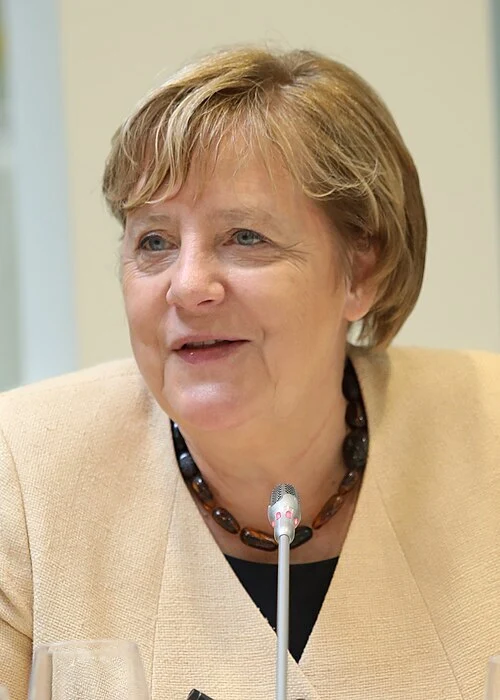
Angela Dorothea Merkel (Jerman: Angela Dorothea Merkel, lahir 17 Juli 1954) adalah seorang politikus terkenal Jerman yang menjabat sebagai Kanselir Jerman (Bundeskanzlerin) selama 16 tahun. Dia adalah pemimpin perempuan pertama di Uni Demokrasi Kristen (CDU) Jerman . Di bawah kepemimpinannya, Jerman kokoh memposisikan dirinya sebagai lokomotif ekonomi Eropa. Dia juga dinobatkan sebagai "wanita paling berkuasa di dunia" oleh majalah Forbes berkali-kali. Ia menganjurkan pragmatisme , multilateralisme dan ekonomi pasar sosial , dan telah menunjukkan ketahanan yang luar biasa dalam menanggapi krisis keuangan, krisis euro, krisis pengungsi dan epidemi global.
Merkel, yang lahir di Hamburg, Jerman Barat pada tahun 1954, memiliki didikan yang sangat istimewa. Dia menghabiskan masa remajanya di Jerman Timur dan merupakan seorang ahli kimia kuantum dengan gelar PhD di bidang fisika sebelum terjun ke dunia politik. Pada tahun 2021, Merkel secara resmi mengundurkan diri dari jabatannya, mengakhiri karir politiknya yang penting dan luas.
_Ingin tahu pemimpin sejarah mana yang paling mirip dengan gaya pengambilan keputusan Anda? Cobalah Tes Gaya Pengambilan Keputusan Pemimpin Politik untuk melihat apakah Anda memiliki kualitas sehat dan rasionalitas seperti Merkel. _
Latar belakang seorang ilmuwan: dari fisikawan Jerman Timur hingga pendatang baru di bidang politik
Kehidupan awal Merkel sangat berbeda dengan kebanyakan politisi Jerman Barat. Tak lama setelah kelahirannya, ayahnya Horst Kasner (seorang pendeta) memutuskan untuk memindahkan keluarganya ke Jerman Timur (DDR), menyebabkan Merkel tumbuh di bawah sistem sosialis di balik Tirai Besi. Pengalaman ini memberinya kesabaran dan keterampilan observasi yang luar biasa.
Secara akademis, Merkel menunjukkan bakat luar biasa. Dia fasih berbahasa Rusia dan belajar fisika di Universitas Leipzig. Dia menerima gelar PhD pada tahun 1986 dengan tesis tentang kimia kuantum. Pemikiran logis sang ilmuwan sangat memengaruhi gaya pemerintahannya di masa depan: ia lebih memilih berbasis data , melakukan perhitungan berulang-ulang dan mempertimbangkan trade-off sebelum mengambil keputusan, dibandingkan mengandalkan dorongan emosional.
Runtuhnya Tembok Berlin pada tahun 1989 menjadi titik balik sejarah yang mengubah hidup Merkel. Dia bergabung dengan organisasi "Kebangkitan Demokrasi" yang baru dibentuk dan kemudian memasuki pemerintahan Jerman Timur sebagai wakil juru bicara. Setelah reunifikasi Jerman, ia bergabung dengan Uni Demokrat Kristen dan dengan cepat dipromosikan oleh kanselir Helmut Kohl , yang dikenal sebagai "gadis kecil Kohl". Ia berturut-turut menjabat sebagai Menteri Perempuan dan Pemuda dan Menteri Lingkungan Hidup, mengumpulkan pengalaman administratif yang berharga untuk naik ke tampuk kekuasaan di masa depan.
Bangkitnya kekuasaan: transformasi CDU dan kanselir perempuan pertama
Kohl kalah dalam pemilihannya kembali pada tahun 1998 dan CDU terlibat dalam skandal donasi. Dalam konteks ini, Merkel menunjukkan sisi tegasnya. Dia menerbitkan sebuah artikel di Frankfurter Allgemeine Zeitung yang meminta partai tersebut untuk "menarik garis yang jelas" dengan Kohl, sebuah langkah kontroversial yang memenangkan kemerdekaannya di dalam partai.
Pada tahun 2000, ia terpilih sebagai ketua CDU, menjadi pemimpin perempuan pertama di sebuah partai besar Jerman. Pada pemilu 2005, Partai Aliansi pimpinan Merkel mengalahkan Partai Sosial Demokrat pimpinan Schröder, dan ia resmi menjadi Kanselir Republik Federal Jerman .
Ketika menganalisis ideologi konservatif Merkel yang solid dan terpusat, hal ini membantu kita memahami landasan stabil demokrasi modern. Anda dapat mengukur kecenderungan Anda terhadap isu-isu tersebut dengan mengikuti tes orientasi nilai politik 8nilai , dan melihat interpretasi terperinci dari semua hasil ideologis 8nilai .
Juru mudi dalam krisis: euro, pengungsi dan geopolitik
Enam belas tahun sejarah Merkel berkuasa hampir merupakan "sejarah respons krisis".
Krisis utang zona euro
Krisis keuangan global tahun 2008 memicu krisis utang negara Eropa. Menghadapi risiko gagal bayar utang di negara-negara seperti Yunani, Merkel bersikeras melakukan penghematan fiskal dan mewajibkan negara-negara penerima untuk melakukan reformasi struktural. Meskipun kebijakan ini memicu protes luas di negara-negara Eropa Selatan, ia berpegang pada keyakinan “jika euro gagal, Eropa akan gagal” dan berhasil menjaga integritas zona euro.
Krisis pengungsi tahun 2015
Itu adalah momen paling kontroversial dalam karier politik Merkel. Menghadapi masuknya pengungsi Suriah menuju Eropa, ia mengadopsi slogan "Wir schaffen das!" (Kita bisa melakukannya !) dan memutuskan untuk membuka perbatasan bagi para pengungsi. Keputusan kemanusiaan ini mendapat pujian internasional, namun memicu kebangkitan kekuatan sayap kanan di Jerman dan menyebabkan polarisasi serius dalam masyarakat Jerman.
Hubungan dengan Rusia dan Cina
Dalam diplomasi, Merkel menerapkan praktik praktis "mempromosikan perubahan melalui perdagangan". Karena latar belakang Jerman Timurnya, ia dapat berkomunikasi langsung dengan Putin, namun ia tetap dengan tegas mendukung sanksi terhadap Rusia setelah krisis Krimea. Mengenai hubungan dengan Tiongkok, beliau sering mengunjungi Tiongkok untuk mempromosikan kerja sama ekonomi dan perdagangan Tiongkok-Jerman, berupaya menemukan keseimbangan antara perbedaan nilai dan kepentingan ekonomi.
Ekonomi Pasar Sosial dan “Jalan Tengah” Merkel
Di bidang ekonomi, Merkel mewarisi dan mengoptimalkan ekonomi pasar sosial Jerman. Ia tidak hanya mempertahankan daya saing manufaktur Jerman yang kuat, namun juga mendorong transisi energi (Energiewende). Setelah kecelakaan nuklir Fukushima pada tahun 2011, ia bertahan dari tekanan industri dan dengan tegas memutuskan bahwa Jerman akan sepenuhnya menghapuskan tenaga nuklir pada tahun 2022.
Dalam hal kebijakan sosial, meskipun ia adalah pemimpin Partai Konservatif, Merkel sangat fleksibel. Dia tiba-tiba mendorong pemungutan suara untuk melegalkan pernikahan sesama jenis dan menghapuskan wajib militer. Strategi yang terus bergerak mendekati pusat ini telah mempersempit ruang bagi partai-partai sayap kiri, namun juga memungkinkan CDU untuk tetap berkuasa dalam jangka waktu yang lama.
Warisan politik dan evaluasi sejarah Merkel
"Dinghai Shenzhen" di Eropa
Merkel dipandang sebagai penjaga dunia bebas. Merkel telah membela perjanjian multilateral seperti Perjanjian Iklim Paris selama pemerintahan Trump mendorong unilateralisme. Dia adalah simbol persatuan Eropa dan suara nalar dalam kemitraan transatlantik.
Kontroversi dan Tantangan
Terlepas dari prestasinya, Merkel menghadapi kritik. Kritikus percaya bahwa gaya "penyempurnaan" yang dilakukannya telah menyebabkan lambatnya kemajuan Jerman dalam digitalisasi dan peningkatan infrastruktur . Selain itu, kebijakannya yang bergantung pada energi Rusia ditinjau ulang setelah pecahnya perang di Ukraina.
Pengaruh generasi selanjutnya
Merkel meninggalkan Jerman dengan perekonomian yang makmur, tingkat pengangguran yang sangat rendah, dan negara yang sangat penting dalam urusan internasional. Ia tertanam kuat di hati masyarakat sebagai citra “ibu” sipil (Mutti), yang membuktikan kepada dunia bahwa kepemimpinan perempuan bisa bersifat lembut dan kejam.
Anekdot dan sifat pribadi Merkel
"Berlian Merkel"
Merkel kerap menggunakan gestur tersebut saat mengambil foto - jari-jari tangannya yang saling berhadapan membentuk bentuk berlian. Gerakan yang dikenal dengan nama Merkel -Raute ini telah menjadi simbol ketenangan dan kekuatan, bahkan telah dimasukkan ke dalam budaya pop.
kehidupan sipil
Meski menjadi kanselir, Merkel tetap mempertahankan gaya hidup sederhana. Dia sering terlihat mengantri di supermarket biasa untuk membeli bahan makanan dan tinggal di apartemen biasa di pusat kota Berlin. Sikap sederhana ini sangat kontras dengan kekuatan besar yang dimilikinya.
Takut pada rumor anjing
Merkel dikenal takut pada anjing, karena ia pernah digigit anjing di tahun-tahun awalnya. Pada tahun 2007, Putin sengaja membawa anjing Labrador raksasanya "Koni" saat bertemu dengannya. Detail ini dianggap sebagai tekanan psikologis dalam permainan diplomatik, dan penampilan tenang Merkel saat itu juga mendapat pujian dari media.
Seperti yang dikatakan para komentator politik, tanpa Angela Merkel, Eropa pada awal abad kedua puluh satu akan lebih bergejolak. Dia menghabiskan enam belas tahun menjelaskan apa artinya tetap stabil dalam situasi yang berubah.
Bacaan lebih lanjut : Jika Anda ingin mengeksplorasi kecenderungan pengambilan keputusan politik Anda sendiri, Anda dipersilakan untuk mengunjungi Pusat Tes Politik dan merasakan tes gaya pengambilan keputusan pemimpin politik . Melalui 48 pertanyaan profesional, karakteristik kepemimpinan Anda dianalisis dari enam dimensi termasuk gaya pengambilan keputusan, konsep kekuasaan, dan filosofi ekonomi. Lihat apakah Anda menunjukkan rasionalitas dan perhatian Merkel saat menghadapi situasi kompleks, atau tindakan tegas tokoh sejarah lainnya.