Theresa May: una líder en la era del Brexit y una perseverante en tiempos difíciles
Como segunda Primera Ministra en la historia del Reino Unido de Gran Bretaña e Irlanda del Norte, Theresa May ocupa una posición clave en la historia política británica contemporánea. Ha dedicado su vida a la causa conservadora, pero durante su mandato como primera ministra ha estado en el centro de la tormenta del Brexit. Al comprender completamente el estilo sólido y la dirección política del político, también puede realizar una prueba de orientación de valores políticos de 8 valores en profundidad para comparar las características de diferentes ideologías.
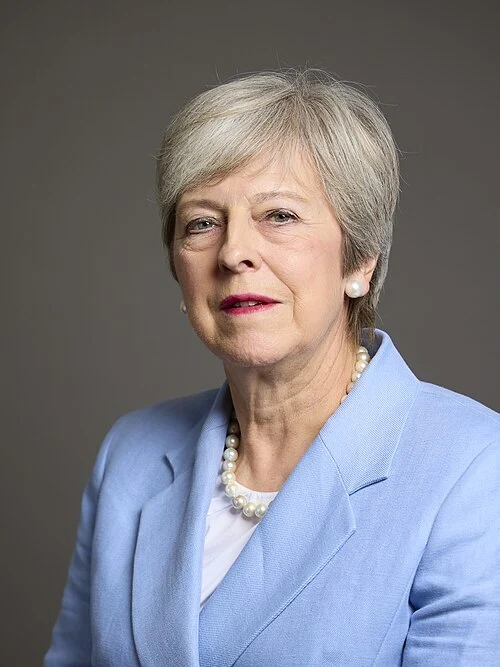
Theresa May (inglés: Theresa May, 1 de octubre de 1956 -) es una famosa política británica que se desempeñó como Primera Ministra del Reino Unido y líder del Partido Conservador de 2016 a 2019. Antes de ingresar al número 10 de Downing Street, se desempeñó como Secretaria del Interior durante seis años y es una de las Secretarias del Interior con más años de servicio en la historia británica. Es conocida por su estilo político firme, pragmático y, a veces, "obstinado". Asumió el poder en medio de la agitación política tras el referéndum sobre el Brexit de 2016, tratando de forjar un acuerdo de Brexit equilibrado entre una nación dividida y un parlamento.
Theresa May nació el 1 de octubre de 1956 en Eastbourne, East Sussex, Inglaterra. Su carrera abarcó la industria bancaria y la política, y finalmente renunció oficialmente como Primera Ministra el 24 de julio de 2019. Aunque su mandato estuvo marcado por un estancamiento parlamentario y desafíos dentro del partido, sigue siendo reconocida por su larga dedicación al servicio público.
_¿Quieres saber a qué líder histórico se parece más tu estilo de toma de decisiones? Pruebe la prueba de estilos de toma de decisiones de líderes políticos para ver si tiene rasgos de liderazgo similares a los de Theresa May. _
Antecedentes familiares del pastor y sólida acumulación en sus primeros años
Theresa May nació en una típica familia del clero inglés. Su padre, Herbert Brasier, era un sacerdote anglicano. Este origen familiar influyó profundamente en su estilo posterior de hacer las cosas: sentido de responsabilidad , moderación y dedicación al servicio público . Estudió geografía en St. Hugh's College de la Universidad de Oxford. Fue durante su estancia en Oxford cuando conoció a su futuro marido, Philip May, y su matrimonio siempre ha sido considerado un modelo en el ámbito político.
Después de graduarse de la universidad, May no se unió inmediatamente a la política, sino que ingresó al Banco de Inglaterra como consultora y luego trabajó en la Asociación de Servicios de Compensación de Pagos (APACS). Esta experiencia en la industria financiera desarrolló su sensibilidad hacia los datos y los detalles.
Sin embargo, las ambiciones de May siempre han sido Westminster. Después de dos elecciones parlamentarias fallidas, finalmente ganó el distrito electoral de Maidenhead en 1997 y entró oficialmente en el Parlamento. En ese momento, el Partido Conservador británico se encontraba en un punto bajo y May rápidamente emergió como una "estrella en ascenso" en el partido. En 2002, se convirtió en la primera mujer presidenta del Partido Conservador y pronunció un famoso discurso en la conferencia anual de ese año, advirtiendo al Partido Conservador que no se convirtiera en un "partido desagradable" y pidiendo reformas de modernización dentro del partido. Esta declaración causó una gran conmoción en ese momento.
La sucesora de la "Dama de Hierro" durante la época del Ministro del Interior
En 2010, los conservadores regresaron al poder con David Cameron y Theresa May fue nombrada ministra del Interior . El Ministerio del Interior es conocido como el "cementerio político" del gobierno británico e involucra asuntos muy controvertidos y difíciles como la inmigración, la seguridad y la lucha contra el terrorismo. Sin embargo, May se ha mantenido firmemente en esta posición durante seis años.
Durante su mandato como Ministra del Interior, mostró un lado extremadamente duro:
- Política de inmigración: Aboga por restricciones estrictas sobre el número de inmigrantes y propone una política de "entorno hostil", cuyo objetivo es dificultar la supervivencia de los inmigrantes ilegales en el Reino Unido mediante una estricta verificación de identidad.
- Reforma policial: No tiene miedo de desafiar a la asociación de agentes de policía, presionando por reformas para recortar presupuestos y aumentar la supervisión.
- Seguridad Nacional: Ante las amenazas terroristas, ha impulsado múltiples proyectos de ley para ampliar los poderes de las agencias de inteligencia. Algunos grupos de derechos civiles la han criticado como una invasión de la privacidad personal, pero ella insiste en que se trata de un medio necesario para proteger la seguridad pública.
El estilo de Mei le ha valido la reputación de "la nueva Dama de Hierro". Aunque apoyó "Permanecer" en el referéndum sobre el Brexit de 2016, mantuvo un perfil muy bajo, lo que la convirtió en una "figura de consenso" aceptable para todas las facciones en el caos posterior al referéndum.
Llamado en el último momento: el camino del Primer Ministro en la tormenta del Brexit
En junio de 2016, se anunció el resultado del referéndum británico sobre el Brexit y Cameron asumió la culpa y dimitió. Theresa May marcó la pauta en las siguientes elecciones de liderazgo del partido diciendo "Brexit significa Brexit" y entró con éxito en el número 10 de Downing Street.
Al comienzo de su toma de posesión, May se enfrentó a un país muy dividido. Para fortalecer su mandato de gobierno y obtener una ventaja en las negociaciones del Brexit, corrió el riesgo de celebrar unas "elecciones anticipadas" en 2017. Sin embargo, esta apuesta política fracasó estrepitosamente: el Partido Conservador perdió su mayoría parlamentaria original y tuvo que formar un gobierno minoritario con el Partido Unionista Democrático (DUP) de Irlanda del Norte.
Esta derrota electoral se convirtió en un punto de inflexión en su mandato como primera ministra. Desde entonces, cada decisión que ha tomado ha sido objeto de un escrutinio extremadamente severo por parte del Parlamento. Su propuesta de plan Brexit intenta encontrar un punto medio entre "mantener los vínculos económicos" y "recuperar el control fronterizo", el llamado "plan Chequers" . Sin embargo, este plan no sólo recibió una fría recepción por parte de la Unión Europea, sino que también encontró un doble ataque por parte de los partidarios de línea dura del Brexit (como Boris Johnson) y los partidarios de permanecer en el partido.
Al analizar la ideología de Theresa May de intentar encontrar un avance en equilibrio, nos ayuda a comprender la diversidad del espectro político. Puede medir su inclinación sobre estos temas realizando la prueba de orientación de valores políticos de 8values y ver interpretaciones detalladas de todos los resultados ideológicos de 8values .
El estancamiento parlamentario y los límites de la resiliencia de May
Desde finales de 2018 hasta principios de 2019, el acuerdo Brexit de Theresa May sufrió una derrota histórica en la Cámara de los Comunes británica. Aunque viajó muchas veces entre Londres y Bruselas para intentar ganarse el apoyo de los parlamentarios afinando el acuerdo, el "respaldo irlandés" se convirtió en un obstáculo insuperable.
Theresa May ha demostrado una resiliencia increíble durante este período. Ante las sucesivas dimisiones de miembros del gabinete, múltiples mociones de censura en el parlamento y críticas públicas, ella todavía insistió en resolver los problemas mediante negociaciones. Los medios la han calificado de "zombi andante" o de "primera ministra atrapada en un congelador", pero ella misma insiste en que completar el Brexit es su misión y respeta la voluntad de los votantes.
Sin embargo, la política es cruel. La ira dentro del Partido Conservador estalló cuando ella intentó buscar un gran avance en las conversaciones entre partidos con el opositor Partido Laborista. El 24 de mayo de 2019, Theresa May emitió una entre lágrimas declaración de renuncia en la puerta del número 10 de Downing Street, admitiendo que no podía completar la tarea del Brexit.
La política económica, social y exterior de Theresa May
Si bien el Brexit ha consumido la mayor parte de su energía, May ha dejado un legado político en otras áreas.
Estrategia industrial moderna e intervención económica
A diferencia del tradicional laissez-faire thatcheriano, Theresa May favorece un conservadurismo más intervencionista . Propuso una "estrategia industrial moderna" que enfatizara el papel del gobierno en la promoción de industrias de alta tecnología, la construcción de infraestructura y la resolución de los desequilibrios del desarrollo regional. Se centra en las familias "sólo para gestionar" y trata de ganarse a los trabajadores manuales controlando los precios de la energía y protegiendo los derechos de los trabajadores.
Justicia social e "injusticia ardiente"
En su discurso inaugural, May hizo la promesa solemne de abordar las "injusticias candentes" en la sociedad británica. Se centra en cuestiones de disparidad racial, salud mental y disparidad de riqueza. Impulsó la Ley sobre Esclavitud Moderna, que fue ampliamente elogiada internacionalmente y tenía como objetivo combatir la trata de personas y el trabajo forzoso. Además, también ha hecho contribuciones a la protección del medio ambiente, prometiendo que el Reino Unido alcanzará las "emisiones netas cero" para 2050.
Conceptos de diplomacia y seguridad.
En el plano diplomático, May enfatizó el concepto de "Gran Bretaña global" y trató de redefinir la relación de Gran Bretaña con el mundo después del Brexit. Es la primera líder extranjera que visita el país después de que Trump se convirtiera en presidente de Estados Unidos, lo que demuestra la importancia que concede a la "relación especial" entre Estados Unidos y Gran Bretaña. Al abordar el "Caso de envenenamiento de Salisbury" en 2018, adoptó una postura extremadamente dura contra Rusia y coordinó con éxito la expulsión colectiva de diplomáticos rusos por parte de muchos países occidentales, demostrando su liderazgo en asuntos de seguridad internacional.
Evaluación histórica y controversia: los méritos y defectos de un perseverante
Controversia de estilo: estereotipos de robots y perseverancia de la hija del predicador
Theresa May a menudo parece reservada y poco atractiva en público, y ha sido apodada "Maybot". No es buena para los discursos improvisados y parece un poco robótica en el manejo de las crisis. Pero sus partidarios creen que esta "no exageración" es un reflejo de su estabilidad. En una era de grave polarización política, su estilo aburrido y paso a paso es una cualidad poco común.
¿Quién tiene la culpa del dilema del Brexit?
Los críticos creen que las "líneas rojas" trazadas por May en las primeras etapas de las negociaciones del Brexit eran demasiado rígidas, lo que resultó en un espacio limitado para negociaciones posteriores. No logró unir al parlamento y sus errores en las elecciones de 2017 le costaron capital político. Los defensores creen que el Brexit en sí es una "misión imposible" y que cualquiera que esté en esa posición enfrentará las mismas divisiones y estancamiento.
Influencia de las generaciones posteriores.
Después de que Theresa May dejó el cargo, no abandonó la arena política. En cambio, continuó sirviendo a su electorado como diputada secundaria y con frecuencia emitió críticas basadas en principios de las principales decisiones del gobierno (como el proyecto de ley de inmigración ilegal) en el parlamento. Su experiencia proporcionó profundas lecciones para la política británica posterior: ¿Cómo encontrar el máximo común denominador en una democracia representativa dividida?
- Remodelación del Partido Conservador: Dirigió al Partido Conservador en una dirección más centrada en los intereses de la clase trabajadora y la intervención gubernamental, una tendencia que continuó bajo Johnson.
- Un modelo para la participación femenina en la política: como segunda primera ministra, demostró que las mujeres también pueden tener un fuerte control en los campos tradicionalmente dominados por los hombres, como la defensa y los asuntos internos.
- Desafío constitucional: Su mandato provocó debates profundos sobre la relación entre la soberanía parlamentaria británica, las prerrogativas del gobierno y la opinión pública del referéndum.
Como han dicho muchos comentaristas, Theresa May es una heroína trágica que estuvo en el lugar correcto en el momento equivocado. Tenía todas las cualidades para ser una buena Primera Ministra en un período mediocre: trabajo duro, integridad y atención a los detalles, pero fue arrojada a una era revolucionaria que requería excelentes habilidades políticas y demagogia.
Lectura ampliada : Si desea explorar sus propias tendencias en la toma de decisiones políticas, puede ir al Centro de pruebas políticas y experimentar la prueba de estilo de toma de decisiones de líderes políticos . A través de 48 preguntas profesionales, analizará sus características de liderazgo desde seis dimensiones, como el estilo de toma de decisiones, el concepto de poder y la filosofía económica, para ver si se parece más a Stalin, Churchill, Roosevelt o Theresa May.