David Cameron: il reinventatore del moderno conservatorismo britannico e l’architetto della tempesta Brexit
David Cameron è una figura chiave della politica britannica del 21° secolo. Ha riportato al potere il Partito conservatore attraverso il “conservatorismo moderno”, ma ha anche ricevuto elogi contrastanti per aver avviato il referendum sulla Brexit che ha cambiato profondamente la struttura europea. Acquisendo una comprensione approfondita della sua traiettoria politica e del suo stile di pragmatismo, puoi anche sostenere un test di orientamento ai valori politici di 8 valori per confrontare le somiglianze e le differenze tra il conservatorismo tradizionale e il conservatorismo liberale moderno.
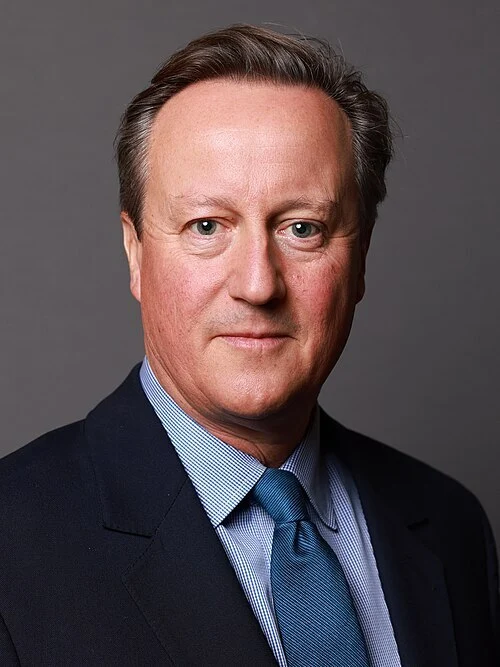
David William Donald Cameron (inglese: David William Donald Cameron, 9 ottobre 1966 -) è un politico britannico veterano che ha servito come Primo Ministro , Primo Cancelliere dello Scacchiere, Segretario della Pubblica Amministrazione e Leader del Partito conservatore dal 2010 al 2016. Nel novembre 2023, ha fatto un inaspettato ritorno alla politica quando è stato nominato Segretario di Stato per gli Esteri, il Commonwealth e lo Sviluppo (Segretario agli Esteri) e gli è stato concesso un titolo nobiliare a vita nel Camera dei Lord. Cameron è il più giovane primo ministro britannico dai tempi del conte di Liverpool nel 1812. Durante il suo mandato, ha guidato la politica di austerità (Austerity), la legalizzazione del matrimonio tra persone dello stesso sesso e due referendum di vasta portata.
Cameron è nato in una famiglia dell'alta borghesia a Londra e ha studiato al famoso Eton College e all'Università di Oxford. La traiettoria della sua carriera politica mostra una trasformazione da un ambiente d'élite alla moderna politica civile. Tuttavia, ha subito una Waterloo nel referendum del 2016 sulla permanenza del Regno Unito nell’UE, costringendolo a dimettersi e lasciando un’eredità politica che sta ancora scuotendo il Regno Unito e l’Europa.
_Vuoi sapere a quale leader storico il tuo stile decisionale è più simile? Prova il test sullo stile decisionale del leader politico per vedere se possiedi il pragmatismo e l’equilibrio di Cameron. _
Le origini delle élite e il nascente concetto di “big society”
Cameron proviene da una tipica élite britannica. Suo padre, Ian Cameron, era un agente di cambio e sua madre, Mary Fleur Mount, era la figlia di un baronetto. La sua genealogia familiare può essere fatta risalire addirittura al re Guglielmo IV d'Inghilterra, che definì la sua immagine politica come una sorta di "leader naturale". Eccelleva come studente all'Eton College e poi entrò al Brazinose College, Università di Oxford, dove studiò Filosofia, Politica ed Economia (PPE). A Oxford, sebbene fosse membro del controverso club d'élite "Bullington Club", dal punto di vista accademico fu valutato dal suo tutor come "uno degli studenti di scienze politiche più capaci".
Dopo la laurea, Cameron andò direttamente a lavorare presso il Conservative Research Department e rivelò rapidamente il suo talento per le pubbliche relazioni e lo sviluppo delle politiche. Ha servito come consigliere speciale dell'allora Cancelliere dello Scacchiere Norman Lamont e ha partecipato ai preparativi per la campagna elettorale del Primo Ministro Major del 1992. Questa esperienza lo ha reso profondamente consapevole che se il Partito conservatore vuole sopravvivere nell’arena politica a lungo dominata dal Partito laburista (periodo di Tony Blair), deve apportare cambiamenti radicali.
Nel 2001, Cameron è stato eletto con successo come deputato per la circoscrizione elettorale di Witney ed è entrato ufficialmente in parlamento. Il concetto di "Big Society" da lui proposto prese gradualmente forma. Sostiene la devoluzione del potere dal governo centrale alle comunità locali e l'incoraggiamento del volontariato e dell'impresa sociale. Questa idea tenta di trovare una via di mezzo tra l'individualismo estremo del "Thatcherismo" e il grande governismo del "Labour", dando al Partito conservatore un volto moderno moderato ed empatico.
Leader in ascesa: reinventare il “conservatorismo compassionevole”
Nel 2005, dopo che i conservatori persero la terza elezione generale consecutiva contro i laburisti, un giovane ed energico Cameron annunciò la sua candidatura alla leadership del partito. Ha sconfitto il politico veterano David Davis con lo slogan "Abbraccia la Gran Bretagna moderna". Dopo essere entrato in carica, ha subito lanciato una vigorosa campagna di “rebranding”.
Per cambiare lo stereotipo del partito conservatore come il "partito cattivo", Cameron ha intrapreso una serie di azioni simboliche. Si è recato nell'Artico per indagare sul cambiamento climatico per mostrare la sua enfasi sulla protezione ambientale , ha cambiato l'emblema del partito da una torcia blu a una quercia che simboleggia la natura e la crescita e ha promosso attivamente l'aumento del numero di parlamentari donne e di minoranza. Il suo “conservatorismo compassionevole” enfatizza l’attenzione alla giustizia sociale e ai servizi pubblici (come il sistema medico NHS), che ha effettivamente conquistato un gran numero di elettori centristi.
Nelle elezioni generali britanniche del 2010, sebbene il Partito conservatore non abbia ottenuto la maggioranza assoluta, Cameron ha fatto affidamento sulle sue superbe capacità di negoziazione per formare il primo governo di coalizione nel Regno Unito dalla Seconda Guerra Mondiale con i Liberal Democratici guidati da Nick Clegg. Questa mossa fu vista all'epoca come una scommessa politica, ma dimostrò anche il suo alto pragmatismo nel governare.
Le controversie e gli esiti del mandato di un primo ministro: austerità e riforme
Quando Cameron rilevò il numero 10 di Downing Street, avvenne durante la crisi economica seguita alla crisi finanziaria globale. Il pilastro centrale della sua amministrazione è l’austerità fiscale .
Austerità fiscale e ricostruzione economica
Per ridurre l’enorme deficit, il governo Cameron ha ridotto drasticamente la spesa pubblica. Questa politica ha innescato enormi dibattiti nella comunità economica: i sostenitori ritengono che essa mantenga il credito internazionale della Gran Bretagna e impedisca lo scoppio della crisi del debito sovrano; I critici sottolineano che le politiche di austerità hanno gravemente indebolito il benessere sociale, esacerbato il divario tra ricchi e poveri e portato alla paralisi dei servizi pubblici (come la polizia e il governo locale). Ciononostante, durante il suo primo mandato, il tasso di disoccupazione britannico è sceso in modo significativo e la crescita economica si è classificata tra le migliori del G7.
Un tentativo trasversale di politica sociale
Le opinioni liberali di Cameron trascendono l'appartenenza partitica sulle questioni sociali. Nel 2013, ha guidato il tentativo di legalizzare il matrimonio tra persone dello stesso sesso nonostante la forte opposizione dei conservatori del suo partito. Una volta ha dichiarato pubblicamente: "Sostengo il matrimonio tra persone dello stesso sesso non perché sono un liberale, ma perché sono un conservatore". Questa logica di interpretare il potere liberale sulla base di “valori familiari stabili” è diventata una tipica nota a piè di pagina del cameronismo.
La devoluzione e il referendum scozzese
In termini di riforma costituzionale, Cameron persegue una strategia di fiducia nella democrazia. Nel 2014 ha consentito alla Scozia di indire un referendum sull’indipendenza. Nonostante si sia trattato di una grande avventura politica, il 55% degli elettori alla fine ha scelto di rimanere nel Regno Unito. Questa vittoria consolidò temporaneamente la sua posizione di primo ministro, ma gli aprì anche la strada per ricorrere nuovamente al referendum per risolvere le divergenze all'interno del partito.
Brexit: un punto di svolta nella tua carriera
Nelle elezioni generali del 2015, Cameron ha inaspettatamente portato il Partito conservatore a ottenere la maggioranza assoluta in parlamento, liberandosi dai vincoli del governo di coalizione. Fu l'apice della sua fama politica, ma segnò anche l'inizio del percorso verso la sua caduta.
Per molto tempo il dibattito all’interno del Partito conservatore sullo status della Gran Bretagna nell’UE è stato estremamente acceso. Gli antieuropeisti e il Partito per l’Indipendenza del Regno Unito (UKIP) hanno rappresentato un’enorme minaccia per i voti del Partito conservatore. Nel tentativo di sedare i conflitti interni e unificare la posizione del partito, Cameron ha promesso nel 2013 di indire un referendum sulla permanenza della Gran Bretagna nell’UE se rieletto. Crede fermamente che con la sua esperienza nel referendum scozzese e la mentalità popolare di mantenere lo status quo, potrà facilmente sconfiggere i sostenitori della Brexit.
Il 23 giugno 2016 , la storia non ha seguito il copione di Cameron. Dopo un acceso dibattito e una campagna controversa, il 51,9% degli elettori britannici ha scelto di lasciare l’UE .
La mattina dopo l'annuncio dei risultati del referendum, Cameron ha rilasciato una tragica dichiarazione di dimissioni davanti al numero 10 di Downing Street. Ha ammesso: "Non penso di poter continuare a essere il capitano del Paese che guida il Paese verso la sua prossima destinazione". La sua carriera politica è crollata a causa di questo "errore di calcolo". La Brexit è diventata un’etichetta politica dalla quale non è riuscito a liberarsi per tutta la vita, e ha anche dato inizio a un periodo di disordini politici nel Regno Unito che è durato diversi anni.
Ritirata e ritorno: da scandalo lobbying a ministro degli Esteri
Dopo le dimissioni da Primo Ministro, Cameron si ritirò temporaneamente dall'opinione pubblica e si concentrò sulla scrittura delle sue memorie "For the Record". Tuttavia, lo “scandalo Greensill” scoppiato nel 2021 lo ha gettato ancora una volta nel vortice dell’opinione pubblica. I rapporti hanno rivelato che aveva utilizzato i suoi contatti personali per esercitare pressioni su funzionari governativi di alto livello per ottenere un prestito governativo per una società finanziaria sull'orlo della bancarotta. Sebbene alla fine il comitato investigativo abbia stabilito che non aveva infranto la legge, l'incidente ha gravemente danneggiato la sua reputazione.
Tuttavia, i capricci della politica britannica sono nuovamente in mostra nel 2023. Mentre il governo di Rishi Sunak si trovava ad affrontare pressioni elettorali e turbolenze nel governo, Cameron fu nominato ministro degli Esteri e creò il barone Cameron. La nomina ha scioccato l'arena politica internazionale e ha significato il ritorno al potere dell'ex primo ministro dopo sette anni in pensione. Nell'affrontare sfide globali come il conflitto russo-ucraino e la situazione israelo-palestinese, Cameron ha utilizzato i suoi ricchi contatti internazionali per dimostrare l'influenza diplomatica della Gran Bretagna e ha anche cercato di rimodellare la sua eredità politica più avanti nella sua carriera.
Il pensiero politico e la valutazione multidimensionale di David Cameron
tendenze economiche e sociali
Le politiche di Cameron fondono l'economia del libero mercato con il liberalismo sociale.
- Libero scambio e globalizzazione: è un convinto sostenitore del libero scambio e si impegna a promuovere le relazioni commerciali dell'"età dell'oro" tra il Regno Unito e le economie emergenti come Cina e India.
- Riforma del servizio pubblico: ha introdotto il sistema delle "scuole gratuite" per dare a genitori e insegnanti maggiore autonomia nella gestione delle scuole. Questo è stato visto come un importante rimodellamento del sistema educativo dal Partito conservatore.
- Protezione dell’ambiente e cambiamento climatico: sebbene sia stato criticato per aver prestato meno attenzione alle politiche verdi nei suoi ultimi anni, nei primi giorni della sua amministrazione, ha portato le questioni ambientali nell’agenda centrale del Partito conservatore.
Strategia militare e diplomatica
Sulla scena internazionale, Cameron ha cercato di mantenere lo status della Gran Bretagna come potenza globale.
- Intervento libico: nel 2011, ha co-guidato l'intervento militare in Libia con la Francia volto a rovesciare il regime di Gheddafi. Tuttavia, il lungo caos che seguì in Libia rese l’operazione molto controversa.
- Relazioni con gli Stati Uniti: ha mantenuto la “relazione speciale” tra Gran Bretagna e Stati Uniti, ma ha fallito in un voto parlamentare del 2013 sull’azione militare in Siria, segnando la riduzione della capacità di intervento della Gran Bretagna.
- Politica degli aiuti: nonostante un periodo di austerità, Cameron ha insistito per spendere lo 0,7% del reddito nazionale in aiuti internazionali e l’ha inserito nella legge, cosa che ha ottenuto elogi internazionali ma ha suscitato l’insoddisfazione degli estremisti del partito.
Stato storico e impatto a lungo termine
I commenti di David Cameron sono estremamente polarizzanti nella società britannica.
- Macchina elettorale di successo: gli storici lo riconoscono come un politico di talento che ha riportato con successo il "decrepito" partito conservatore al centro della politica e ha vinto due elezioni generali consecutive.
- L’uomo responsabile della Brexit: qualunque siano gli altri suoi successi, il suo nome sarà per sempre associato alla Brexit. I sostenitori credono che abbia dato alla gente la possibilità di fare scelte democratiche; i critici ritengono che abbia scommesso in modo irresponsabile sul futuro del Paese per risolvere le controversie all'interno del partito.
- Eroe della modernizzazione: ha promosso il processo di modernizzazione del Partito conservatore, rendendo il partito più diversificato e inclusivo su questioni di etnia, genere e orientamento sessuale. Questo cambiamento ha ancora un profondo impatto sulla politica britannica dopo aver lasciato l’incarico.
Come dicono alcuni analisti, Cameron è l’ultimo primo ministro civile “elitario” della Gran Bretagna. Aveva capacità comunicative e intuito politico senza precedenti, ma nel grande gioco storico strutturale, alla fine fu inghiottito dalla tempesta democratica da lui avviata.
Se desideri esplorare le tue tendenze decisionali politiche, puoi andare al Centro di test politici e sperimentare il test sullo stile decisionale del leader politico . Attraverso domande professionali, analizzerai le tue caratteristiche di leadership dalle dimensioni dello stile decisionale, del concetto di potere, della filosofia economica e altre dimensioni per vedere se sei più simile a Cameron, Thatcher, Blair o altri leader storici. Confrontando gli esiti di queste diverse ideologie, possiamo vedere più chiaramente il complesso contesto dell’evoluzione politica britannica contemporanea.