Shinzo Abe: il primo ministro giapponese più longevo dopo la guerra e la sua eredità politica
Essendo il primo ministro più longevo nella storia giapponese, l’“Abenomics” di Shinzo Abe, il suo persistente tentativo di modificare la Costituzione del Giappone e la sua impostazione strategica nella geopolitica indo-pacifica hanno profondamente plasmato il panorama del Giappone e dell’Asia orientale nel 21° secolo. Acquisendo una comprensione approfondita delle tendenze politiche di questo leader conservatore, puoi anche sostenere un test di orientamento ai valori politici di 8values per confrontare le manifestazioni di diverse ideologie nella governance nazionale.
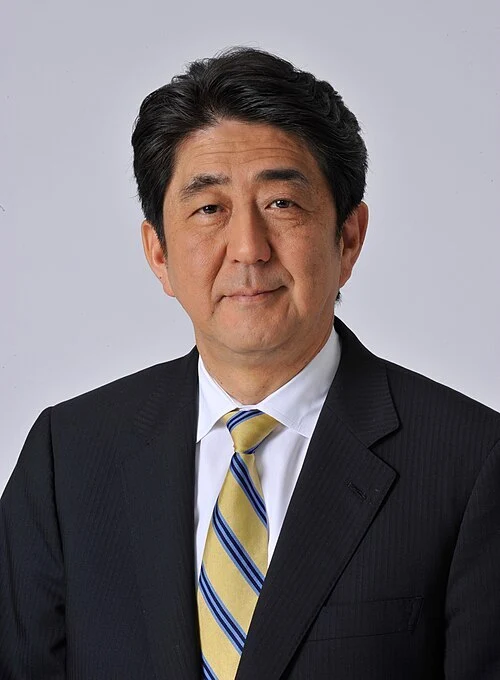
Shinzo Abe (giapponese: Shinzo Abe/あべしんぞう, 21 settembre 1954 – 8 luglio 2022) è stato un famoso politico giapponese che ha servito come Primo Ministro (90°, 96°, 97°, 98°, 99° mandato) e presidente del Partito Liberal Democratico. È il primo ministro più longevo nella storia costituzionale del Giappone, battendo il record detenuto da suo zio Eisaku Sato. Abe è nato in un'importante famiglia politica ed è conosciuta come "una famiglia di tre primi ministri". Il nucleo della sua filosofia politica risiede nel conservatorismo , nella normalizzazione nazionale e nel rilancio dell’economia stagnante a lungo termine del Giappone attraverso l’Abenomics .
L'8 luglio 2022, Shinzo Abe è stato ucciso a colpi di arma da fuoco mentre teneva un discorso di strada nella città di Nara. Aveva 67 anni. Questo incidente sconvolse il mondo e segnò la fine di un'era nella politica giapponese.
_Vuoi sapere a quale leader storico il tuo stile decisionale è più simile? Prova il test sullo stile decisionale del leader politico per vedere se possiedi le qualità di equilibrio strategico di Shinzo Abe. _
L'influenza di una famiglia politica e il percorso verso la politica
Shinzo Abe è nato in un'importante famiglia politica nella prefettura di Yamaguchi, in Giappone. Suo nonno, Hiroshi Abe, era un membro della Camera dei Rappresentanti; suo nonno materno, Nobusuke Kishi, fu un'importante figura politica in Giappone dopo la seconda guerra mondiale. Ha servito come Primo Ministro e ha guidato la revisione del "Trattato di sicurezza USA-Giappone"; suo padre, Shintaro Abe, era ministro degli Affari esteri ed era una figura potente nel Partito Liberal Democratico. In un simile ambiente familiare, Abe è stato esposto alla politica fin da bambino ed è stato profondamente influenzato dalla "costituzione indipendente" e dalle idee del "Giappone forte" di suo nonno Nobusuke Kishi.
Nel 1977, dopo essersi laureato al Dipartimento di Scienze Politiche della Seiki University Law School, Abe andò alla University of Southern California per ulteriori studi. Dopo essere tornato in Cina, ha lavorato brevemente presso Kobe Steel, gettando le basi per la sua futura comprensione delle operazioni aziendali e delle politiche economiche. Nel 1982 entrò ufficialmente in politica come segretario di suo padre, Shintaro Abe.
Abe è stato eletto per la prima volta alla Camera dei Rappresentanti nel 1993 dal collegio elettorale che aveva ereditato dopo la morte del padre. È cresciuto rapidamente all'interno del Partito Liberal Democratico, soprattutto per la sua dura posizione sulla questione del rapimento di cittadini giapponesi da parte della Corea del Nord , ottenendo grande popolarità. Nel 2006, il 52enne Shinzo Abe è stato eletto presidente del Partito Liberal Democratico per la prima volta ed è diventato primo ministro, diventando il più giovane primo ministro del Giappone del dopoguerra. Tuttavia, a causa dei frequenti scandali nel governo e della sua stessa salute (colite ulcerosa), si dimise dopo solo un anno dal suo primo mandato.
Torna all'inizio: Abenomics e ripresa economica
Dopo cinque anni di inattività, Shinzo Abe ha vinto le elezioni presidenziali del Partito Liberal Democratico del 2012 e ha guidato il Partito Liberal Democratico a riconquistare il potere nelle successive elezioni della Camera dei Rappresentanti, iniziando una corsa al potere durata otto anni.
Di fronte alla deflazione a lungo termine e alla stagnazione economica del Giappone, Abe lanciò la famosa “Abenomics” . Questa politica è chiamata le “Tre Frecce” :
- Politica finanziaria coraggiosa: attraverso il quantitative easing (QQE) su larga scala della Banca del Giappone, essa fissa un obiettivo di inflazione del 2% e tenta di stimolare le esportazioni svalutando lo yen.
- Politica fiscale flessibile: aumentare la spesa per i servizi pubblici e stimolare la domanda interna attraverso l’intervento fiscale del governo.
- Riforme strutturali (strategia di crescita): compresa la deregolamentazione, la promozione dell’occupazione femminile (feminomics), l’attrazione di investimenti esteri e la firma del Partenariato Trans-Pacifico (TPP).
Sebbene l’Abenomics abbia ottenuto risultati notevoli nell’aumento dei profitti aziendali, nella riduzione della disoccupazione e nel rilancio del mercato azionario (l’indice Nikkei ha registrato un rimbalzo significativo), il suo impatto sulla crescita dei salari reali della gente comune è stato limitato e ha portato a un’ulteriore espansione dell’entità del debito del Giappone. Quando si analizza questo tipo di economia conservatrice che utilizza l’intervento statale nel mercato, la partecipazione al test di orientamento al valore politico di 8values può aiutare a identificare le proprie preferenze per il compromesso tra “interventismo” e “mercatizzazione”.
Nucleo politico: il sogno di un emendamento costituzionale e di una “nazionalizzazione normale”
La più grande ambizione di Shinzo Abe nella sua carriera politica è quella di modificare la Costituzione del Giappone , in particolare l'articolo 9, che ha caratteristiche pacifiste. Credeva che questa costituzione fosse stata imposta al Giappone dalle forze di occupazione (gli Stati Uniti) e limitasse i diritti di difesa del Giappone come nazione sovrana.
Per raggiungere questo obiettivo, Abe ha adottato una "tattica di deviazione":
- Istituzione del Consiglio di sicurezza nazionale (NSC): rafforzamento del potere decisionale della residenza ufficiale nei settori della diplomazia e della sicurezza.
- Approvazione di progetti di legge relativi alla sicurezza: nel 2015, nonostante la forte opposizione dei partiti di opposizione, il governo Abe ha approvato al Congresso il disegno di legge sulla sicurezza, che ha revocato legalmente il diritto all’autodifesa collettiva e ha consentito al Giappone di fornire assistenza militare quando i suoi alleati venivano attaccati.
- Aumentare la spesa per la difesa: durante il suo mandato, il bilancio della difesa del Giappone ha ottenuto “otto aumenti consecutivi” e ha introdotto armi di fascia alta tra cui aerei da combattimento F-35 e modifiche ai cacciatorpediniere di classe Izumo.
Sebbene Abe non sia stato in grado di completare la revisione formale della costituzione fino a quando non ha lasciato l'incarico, la sua interpretazione della costituzione ha effettivamente ampliato notevolmente la portata delle attività delle forze di autodifesa giapponesi, facendo compiere al Giappone un passo fondamentale verso il diventare un cosiddetto "paese normale".
Strategia diplomatica: un indo-pacifico libero e aperto
Shinzo Abe è considerato uno dei più importanti strateghi diplomatici del Giappone del dopoguerra. Conosce bene gli equilibri del gioco tra le grandi potenze, ha proposto la "diplomazia globale" e ha visitato il maggior numero di paesi della storia.
Uno dei suoi principali risultati diplomatici è la proposta del concetto di “Indo-Pacifico libero e aperto” (FOIP). Questa idea fu successivamente accettata da Stati Uniti, Australia e India e sviluppata nel Quadrilateral Security Dialogue (QUAD). Attraverso questo quadro, Abe ha rafforzato la presenza di sicurezza del Giappone nella regione dell'Indo-Pacifico, con l'obiettivo di affrontare la situazione regionale sempre più complessa.
Abe ha dimostrato grande flessibilità nella gestione dei rapporti con gli Stati Uniti. Prima che Donald Trump entrasse in carica, è stato il primo leader straniero a incontrarlo. Ha stabilito uno stretto rapporto personale attraverso la "diplomazia del golf" e ha assicurato la stabilità dell'alleanza Giappone-USA in un ambiente internazionale in drammatico cambiamento.
In termini di relazioni con la Cina, Abe ha adottato una duplice strategia di “separazione tra politica ed economia” e di “reciprocità strategica”. Durante il suo primo mandato, ha visitato la Cina per iniziare un "viaggio rompighiaccio". Dopo essere entrato in carica per la seconda volta, nonostante i rapporti fossero freddi a causa del Santuario Yasukuni e delle controversie territoriali, ha poi rilanciato le relazioni bilaterali attraverso la cooperazione economica e commerciale.
Polemiche, scandali e processi sanitari
Il governo di Abe non è andato liscio, e il suo governo a lungo termine ha anche sollevato dubbi sull'arroganza del potere causata dalla "potente residenza ufficiale" . È stato coinvolto in diversi scandali politici, in particolare:
- Problemi di Moritomo Gakuen e Kake Gakuen: accusati di usare la loro influenza a beneficio di amici e gruppi correlati.
- Polemica sul "Cherry Blossom Viewing Party": criticato per aver utilizzato fondi pubblici per intrattenere i sostenitori, sospettato di violare la legge sulle elezioni degli uffici pubblici.
- Visita al Santuario Yasukuni: nel 2013, Abe ha visitato il Santuario Yasukuni in qualità di Primo Ministro, cosa che ha scatenato forti proteste da parte dei paesi vicini come Cina e Corea del Sud e una dichiarazione "delusa" da parte degli Stati Uniti. Da allora è passato all'offerta di sacrifici per mantenere l'equilibrio.
Nel 2020, mentre infuriava l’epidemia globale di COVID-19, le capacità di gestione della crisi di Abe sono state messe a dura prova. A causa del lavoro ad alta pressione a lungo termine, la sua vecchia malattia, la colite ulcerosa, ha avuto una ricaduta. Il 28 agosto 2020, Shinzo Abe ha annunciato le sue dimissioni da Primo Ministro ed è stato sostituito da Yoshihide Suga.
Caduta e impatto successivo: la Chiesa dell'Unificazione e le scosse di assestamento sociali
La sparatoria dell’8 luglio 2022 non solo è costata la vita ad Abe, ma ha anche rivelato le enormi cicatrici nascoste nella società giapponese. Il sospettato Tetsuya Yamama ha detto che il suo movente era perché l’enorme donazione di sua madre alla “Federazione delle Famiglie per la Pace Mondiale e l’Unificazione” (ex Chiesa dell’Unificazione) aveva causato la disgregazione della famiglia, e credeva che Abe fosse il solido sostegno dell’organizzazione in politica.
Questo incidente ha innescato una profonda riflessione tra il popolo giapponese sul rapporto tra il Partito Liberal Democratico e le religioni emergenti. Successive indagini rivelarono che un gran numero di membri del Partito Liberal Democratico avevano legami con la Chiesa dell'Unificazione, il che portò a drammatiche fluttuazioni nel sostegno al governo di Kishida. Il funerale di Abe si svolse sotto forma di "funerali di stato", ma ciò suscitò enormi polemiche nella società giapponese dell'epoca sulle spese e sulla valutazione politica.
Vita personale, aneddoti e immagine pubblica
Shinzo Abe e sua moglie Akie Abe sono sposati da molti anni. Sebbene non abbiano figli, sono noti per la loro relazione profonda. Abe Akie ha una personalità allegra e spesso condivide la sua vita sui social media. Le sue opinioni politiche a volte sono addirittura in conflitto con quelle del marito, ed è soprannominata il "partito di opposizione all'interno della famiglia".
Lo stesso Abe è mite ma estremamente tenace nei suoi obiettivi politici. Ama la lettura e i dolci e promuove attivamente anche il soft power culturale del Giappone. Alla cerimonia di chiusura delle Olimpiadi di Rio 2016, è apparso come "Super Mario" , che è diventato un momento molto creativo e accessibile sulla scena diplomatica, costruendo con successo lo slancio per le Olimpiadi di Tokyo 2020.
La visione di Shinzo Abe per la tecnologia e la società
- Società 5.0: Abe ha proposto il concetto di "Società 5.0", che mira a risolvere il basso tasso di fertilità e i problemi di invecchiamento del Giappone attraverso l'intelligenza artificiale, l'Internet delle cose e la robotica.
- Womenomics: ha pubblicamente chiesto la creazione di una "società in cui le donne possano brillare". Sebbene nell'attuazione effettiva, il progresso dello status lavorativo delle donne giapponesi sia ancora più lento del previsto.
Valutazione storica e patrimonio politico
L’influenza di Shinzo Abe è complessa e multidimensionale:
- Leader stabile: ha posto fine alla situazione turbolenta di "nove primi ministri in dieci anni" nella politica giapponese e ha fornito al Giappone stabilità strategica a lungo termine.
- Rimodellatore dell'ordine regionale: attraverso il QUAD e il TPP (poi CPTPP), ha lasciato un segno indelebile nel commercio e nella sicurezza multilaterali.
- Valutazione divisa: i suoi sostenitori ritengono che sia un patriota che difende gli interessi nazionali; mentre i suoi oppositori credono che abbia distrutto lo spirito della costituzione pacifica del Giappone e aggravato il conservatorismo e lo spostamento a destra della società.
Come hanno sottolineato gli storici, Shinzo Abe è la figura politica più potente e controversa del Giappone del 21° secolo. Ha cercato di trovare un equilibrio tra l'ordine del dopoguerra e il sogno di una grande potenza.
Se desideri esplorare le tue tendenze decisionali politiche, puoi andare al Political Testing Center e sperimentare il test sullo stile decisionale dei leader politici . Attraverso 48 domande professionali, puoi analizzare le tue caratteristiche da sei dimensioni tra cui stile decisionale, concetto di potere e filosofia diplomatica. Che tu graviti verso il pragmatismo equilibrato di Abe o che tu sia più vicino a Stalin, Churchill o Roosevelt, questo test può fornirti una profonda conoscenza di te stesso.
Riferimenti e approfondimenti:
- Una biografia di Shinzo Abe "Verso un bellissimo paese"
- Documento ufficiale del Ministero degli Affari Esteri del Giappone sull'"Indo-Pacifico libero e aperto"
- "Asahi Shimbun" e "Yomiuri Shimbun" hanno una recensione decennale su Abenomics